
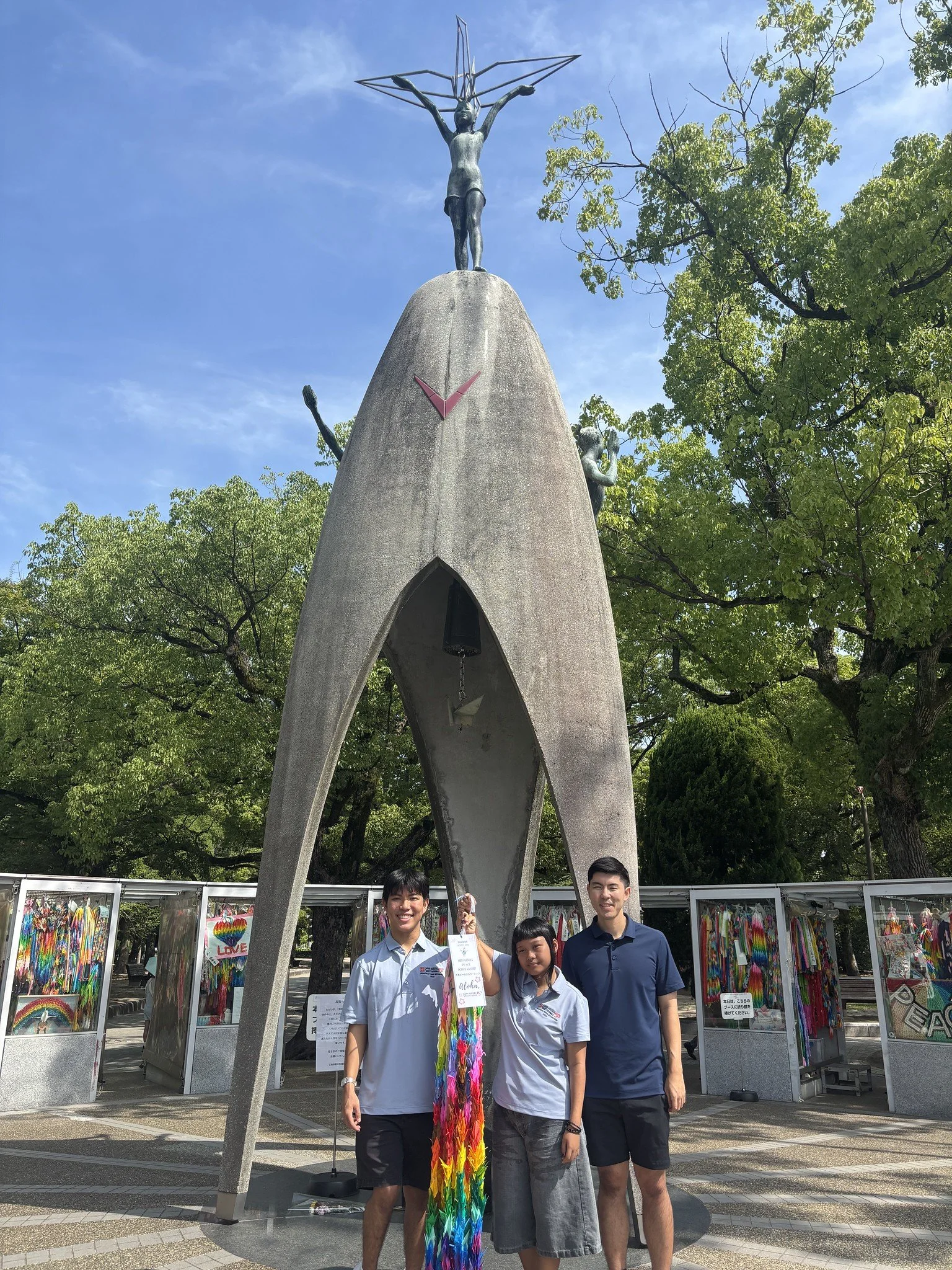
From July 30 to August 8, 2026, Hiroshima Peace Scholars Ken Asakura (Punahou School) and Chaysie Condaya (Waipahu High School), along with Chaperone Mr. Todd Oshima of Moanalua High School, participated in a deeply educational and culturally immersive exchange program in Hiroshima, Japan.
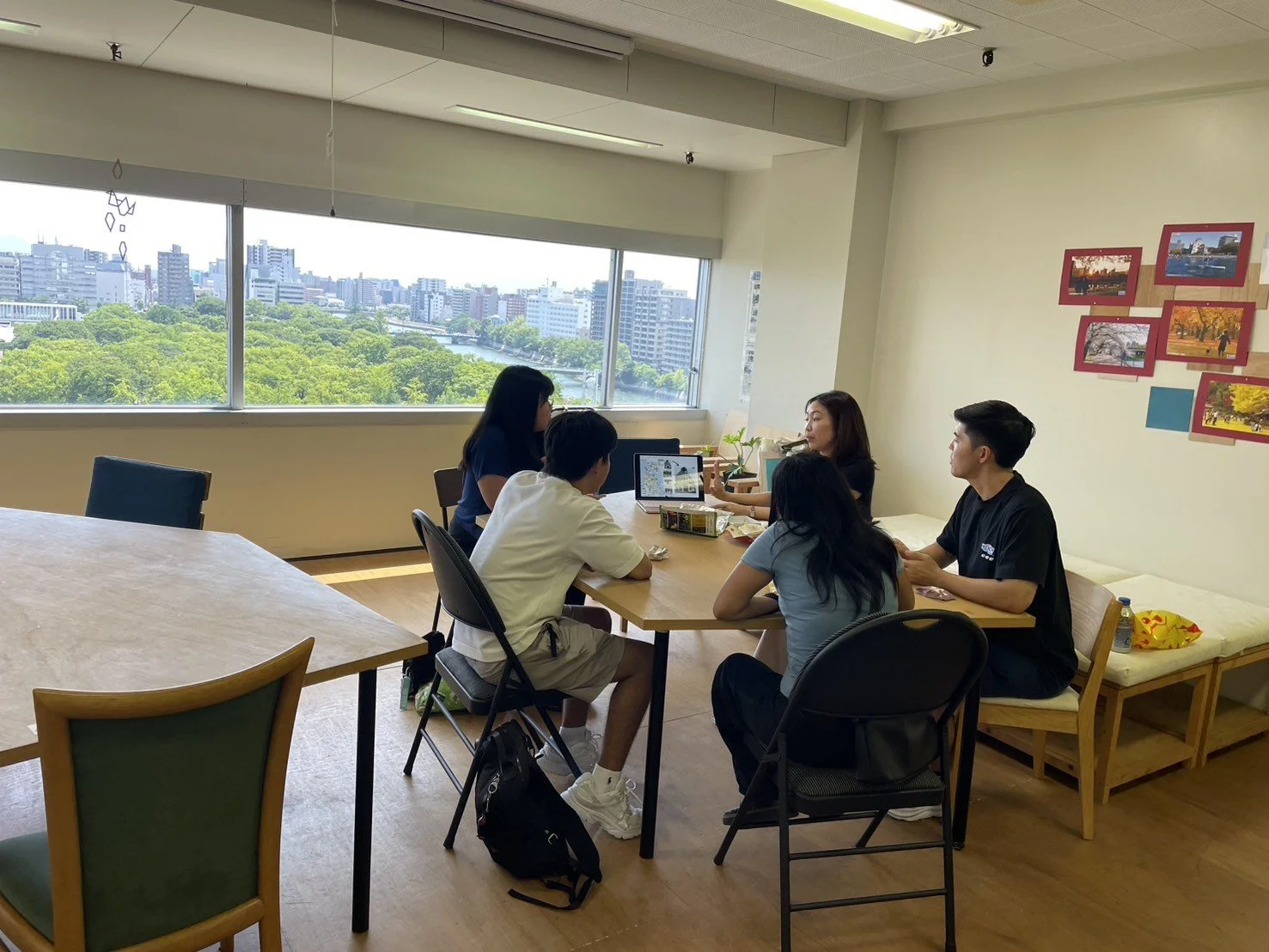
Over the course of the 10-day program, the delegation lived with host families, participated in school and community exchanges, met with hibakusha (atomic bomb survivors) and peace advocates, and joined commemorative events honoring the continued commitment to peace between Hawaii and Hiroshima. Through these experiences, the scholars deepened their understanding of history, intercultural understanding, and engaged in meaningful dialogue about peacebuilding and global responsibility.
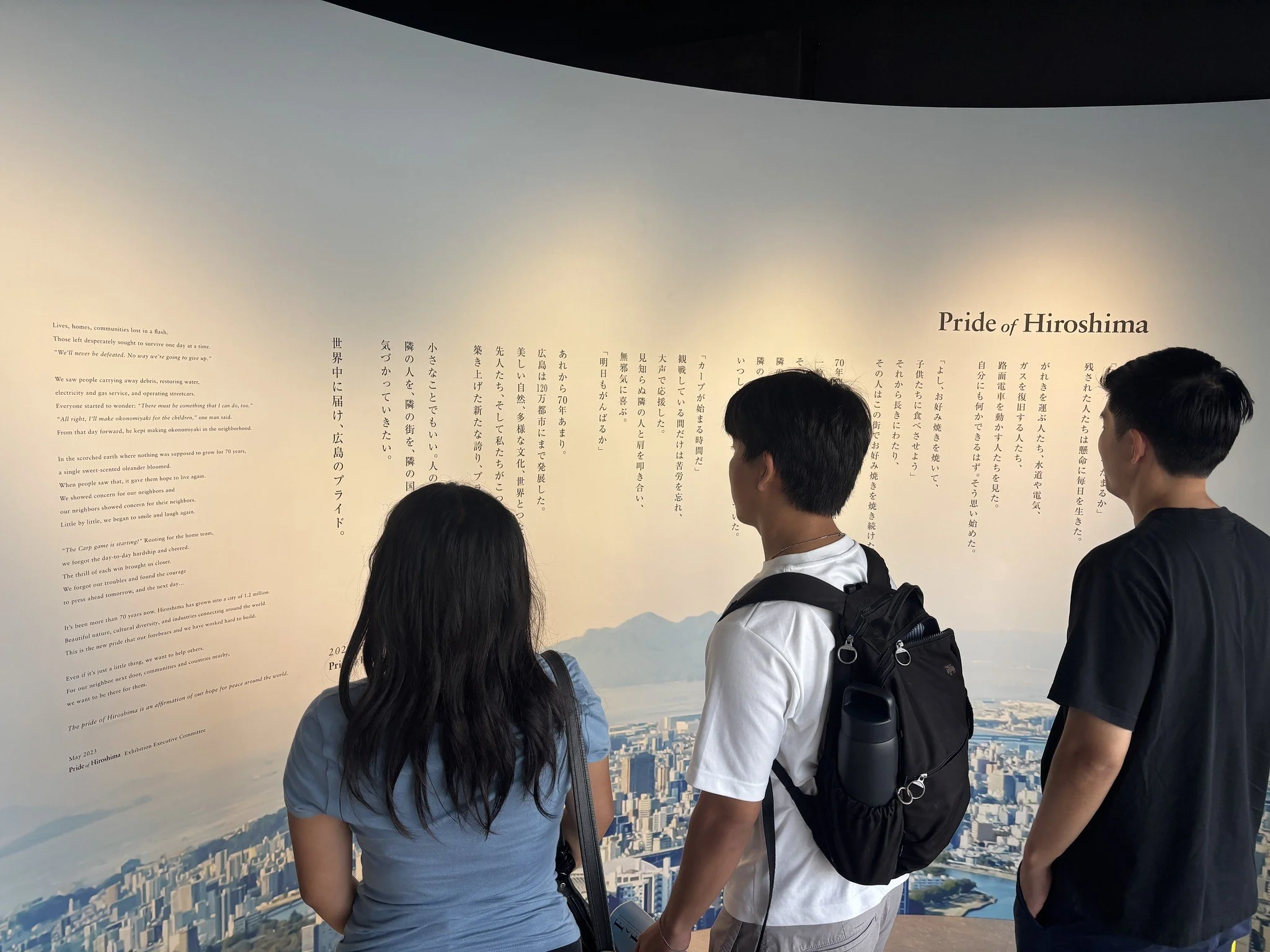
The delegation began their journey with orientation activities with Ms. Nao Fukuoka and Ms. Momoka Narasaki of 8th River Hiroshima, before attending the Pride of Hiroshima exhibit at Hiroshima Gate Park on July 31, where they explored historical and cultural perspectives on Hiroshima’s postwar recovery and identity. The exhibit provided an important foundation for reflection as the scholars prepared for the days ahead.
On August 1, the scholars participated in a Peace Park Tour led by students from Hiroshima Jogakuin High School, who guided them through Hiroshima Peace Memorial Park and its significant landmarks from a student perspective. In the afternoon, the delegation visited the Hiroshima Peace Memorial Museum, where they deepened their understanding of the atomic bombing through exhibits, survivor testimonies, and historical artifacts.
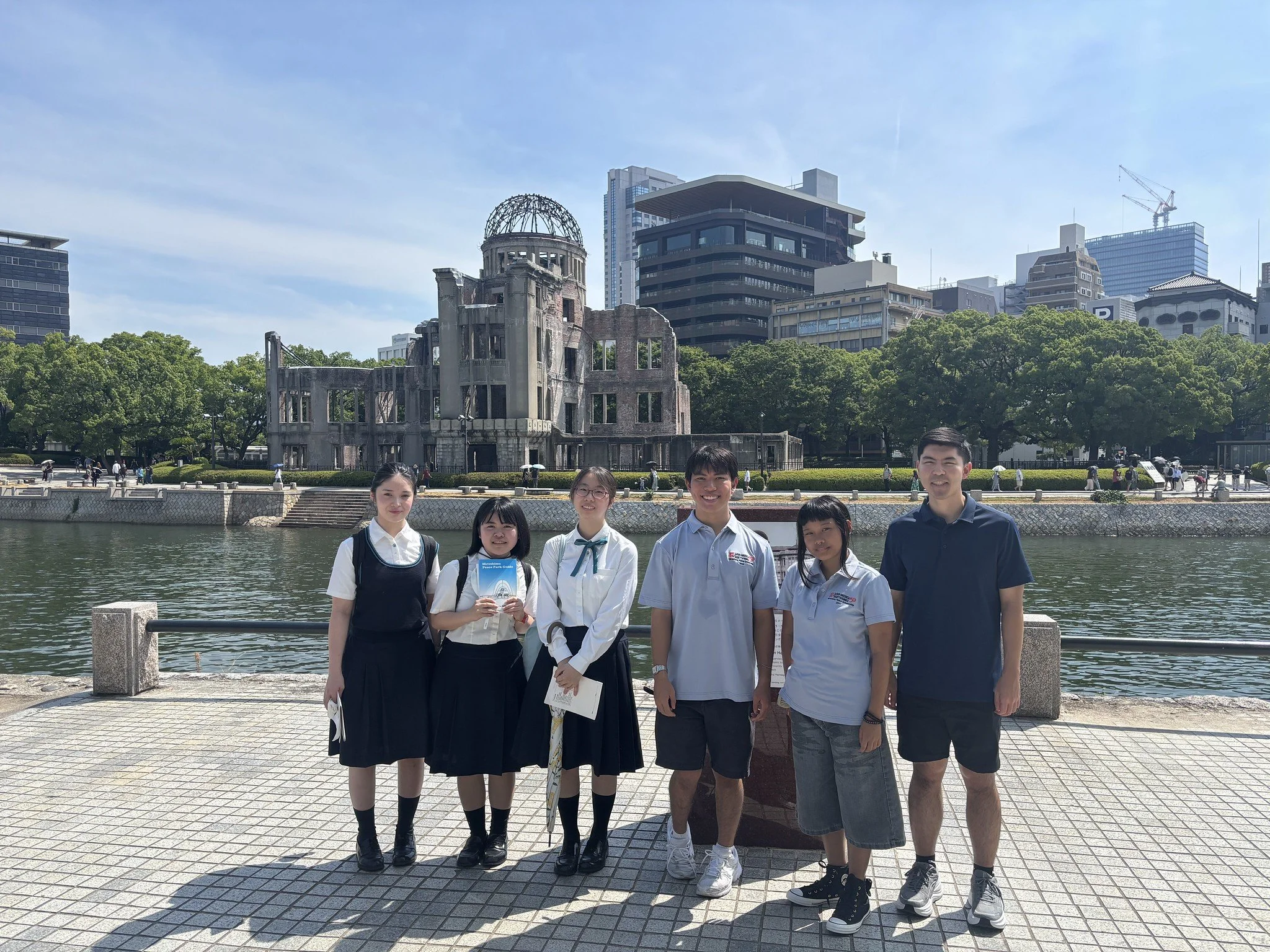
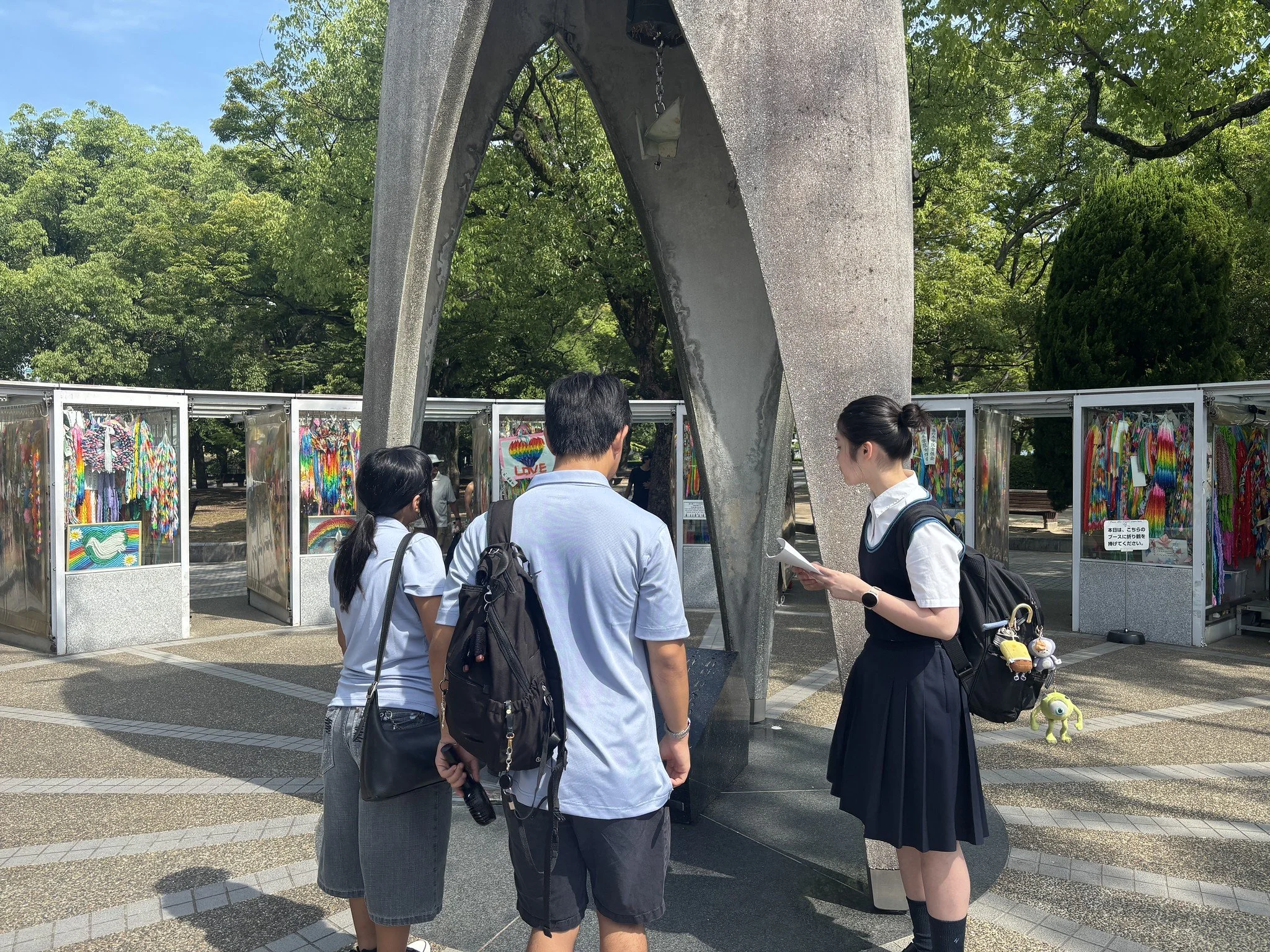
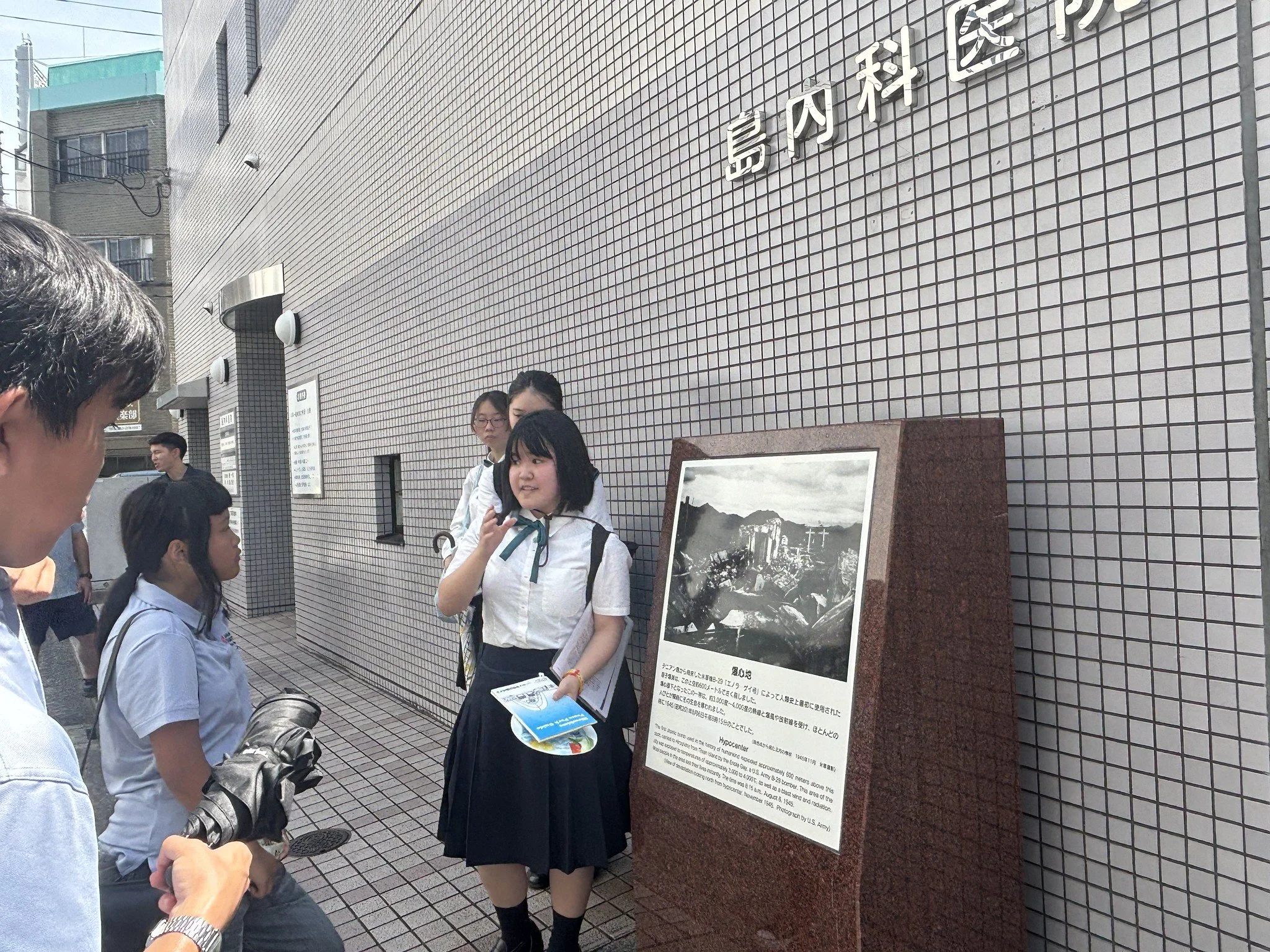
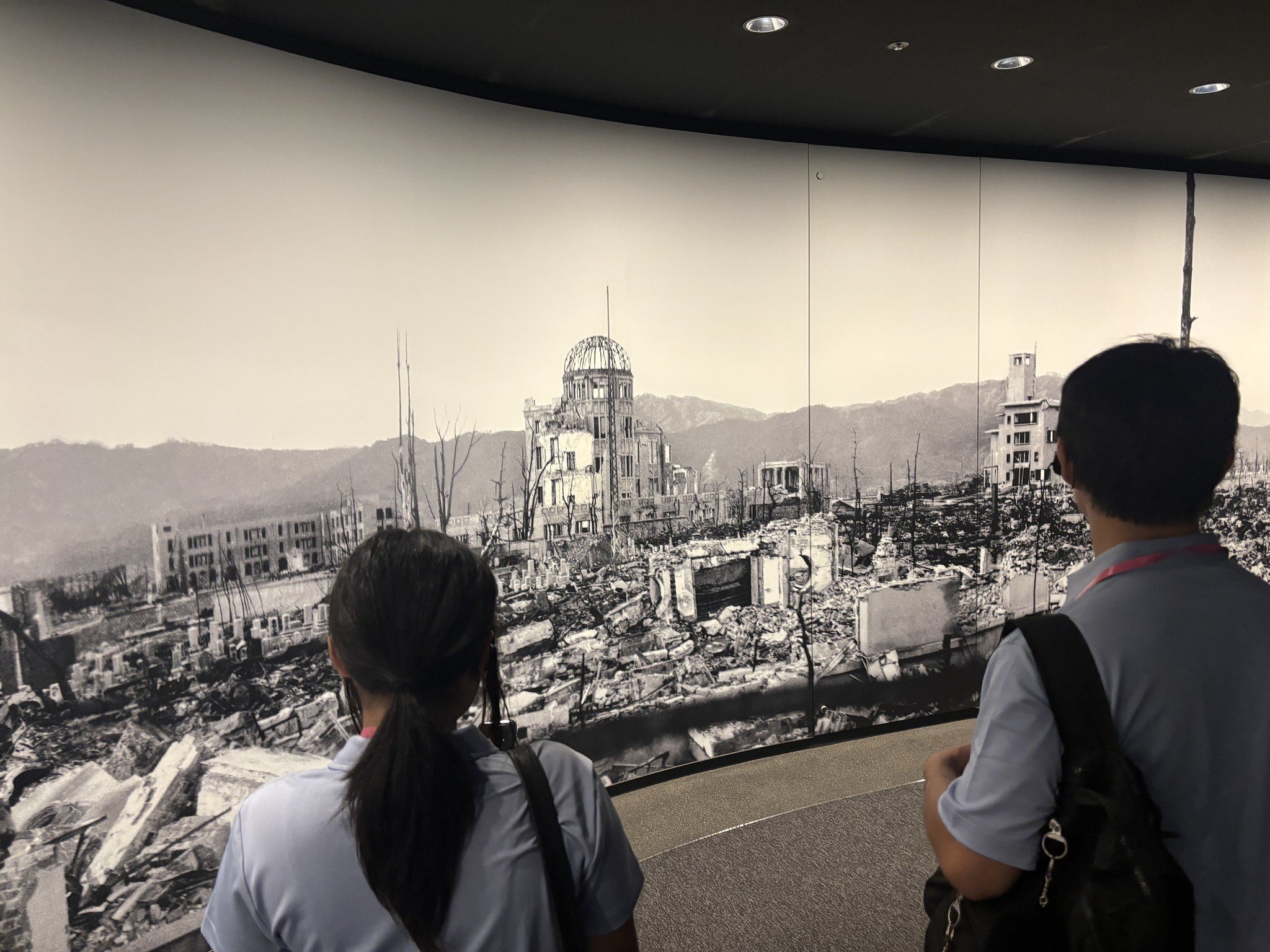
August 2 was spent with host families, giving the scholars an opportunity to experience daily life in Hiroshima while strengthening personal connections through shared meals, conversations, and cultural exchange.
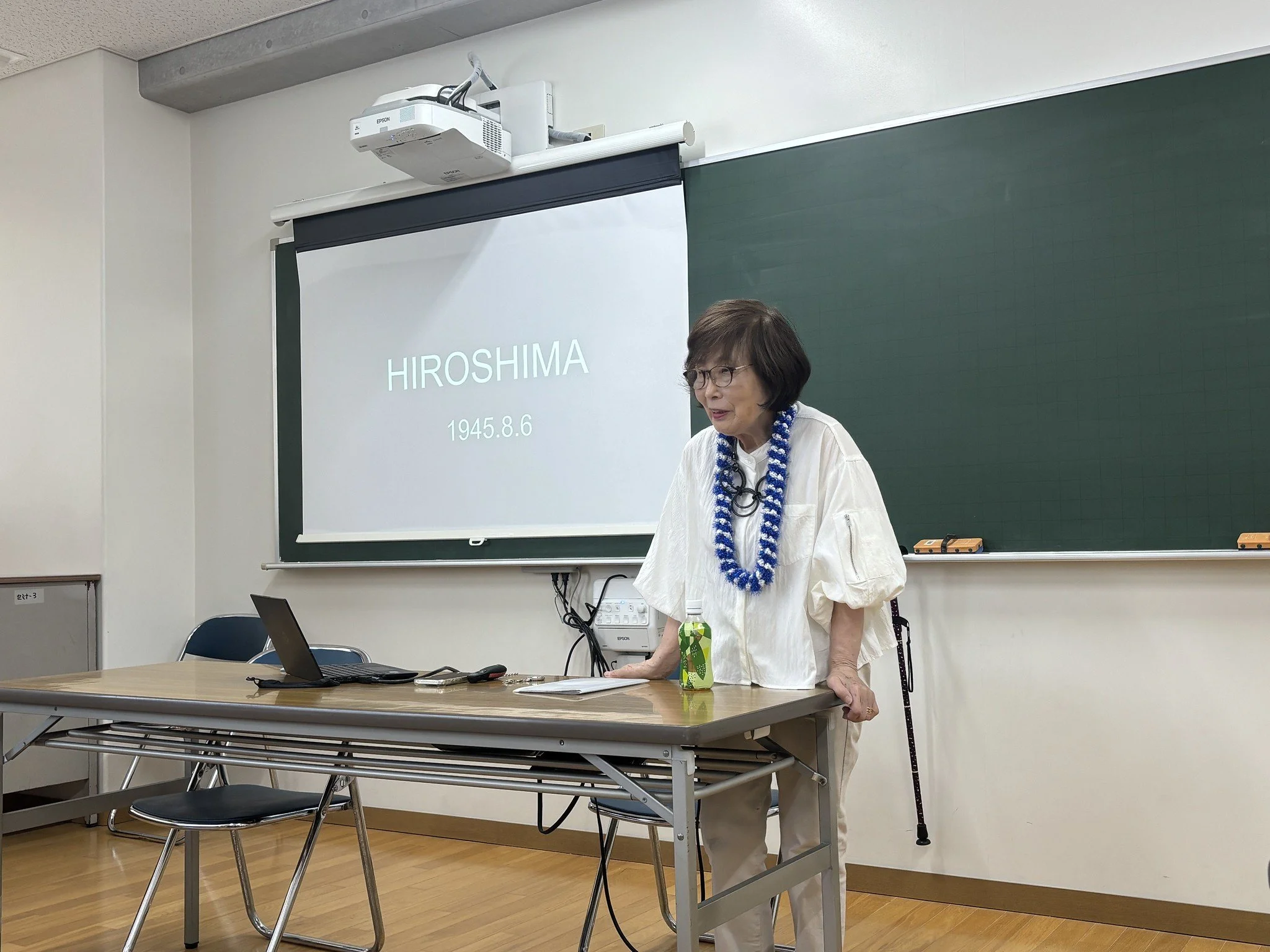
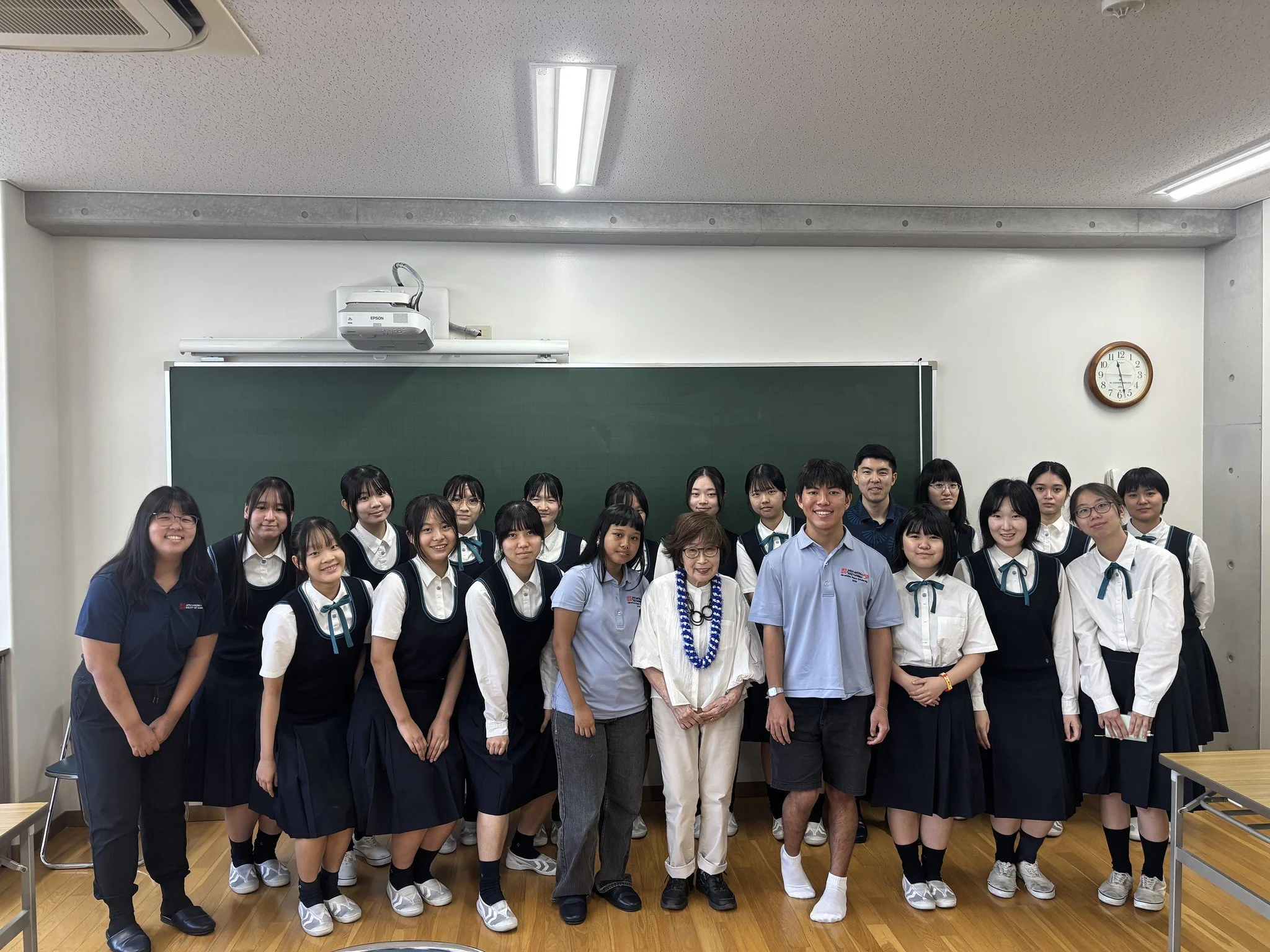
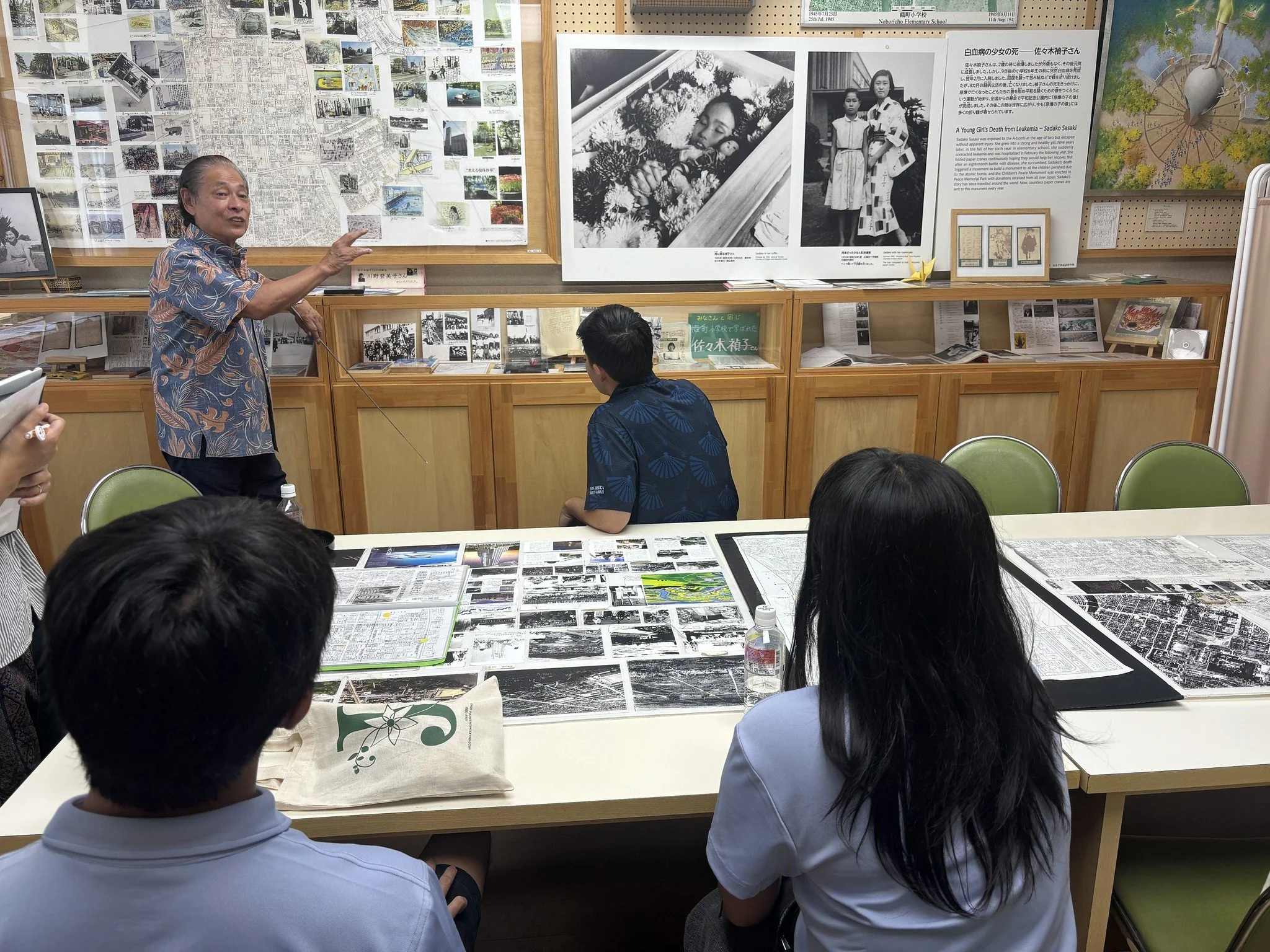
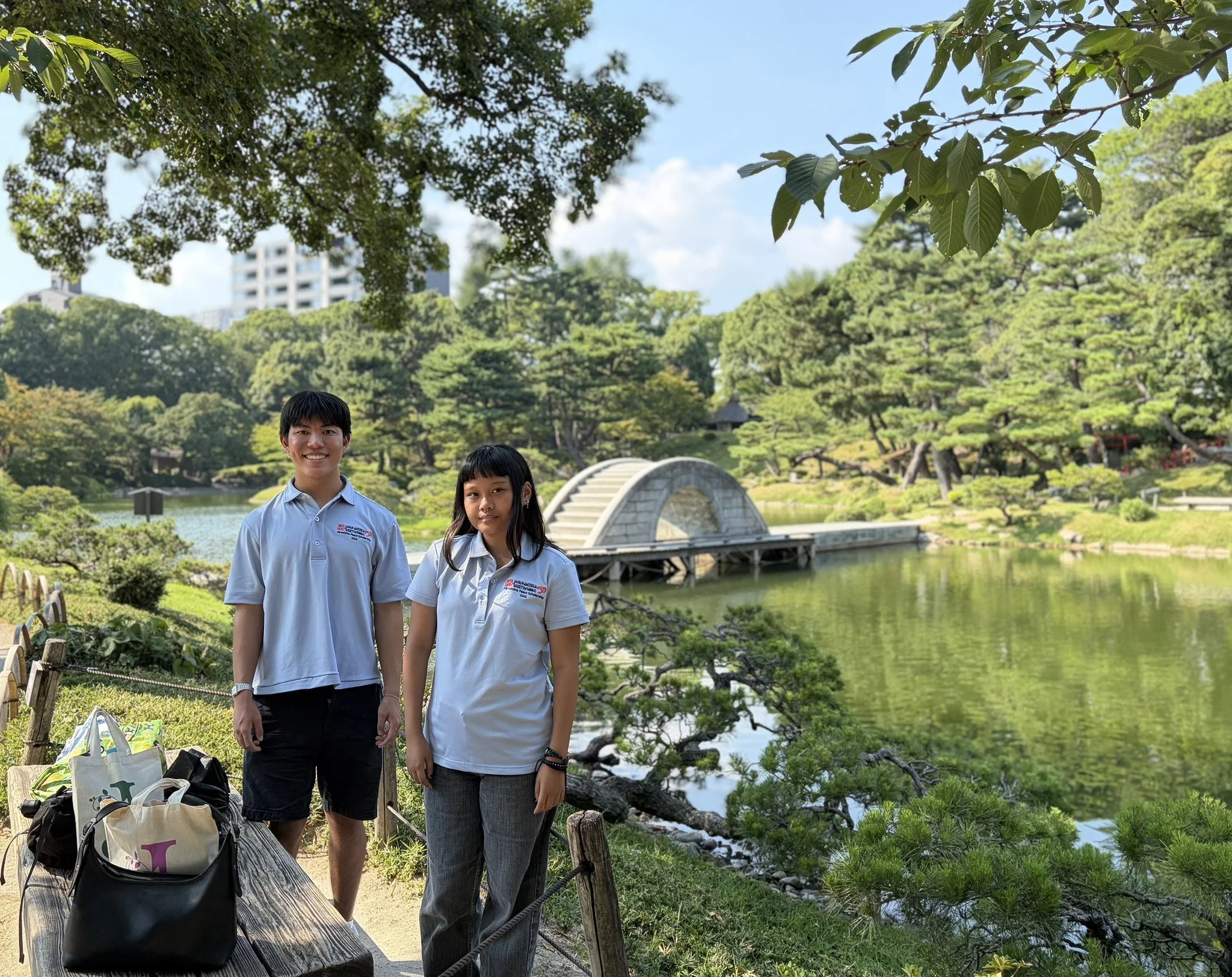
On August 3, the delegation listened to a testimony by Ms. Keiko Ogura, a hibakusha, who shared her personal experiences of the bombing and its aftermath. The scholars had previously watched a recording of Ms. Ogura’s testimony during their preparations in Hawaii, making the opportunity to hear from her in person especially meaningful. They then visited Noboricho Elementary School with Mr. Okabe, who shared the local history and peace education efforts, followed by a visit to Shukkeien Garden, where they reflected on Hiroshima’s cultural heritage and resilience.
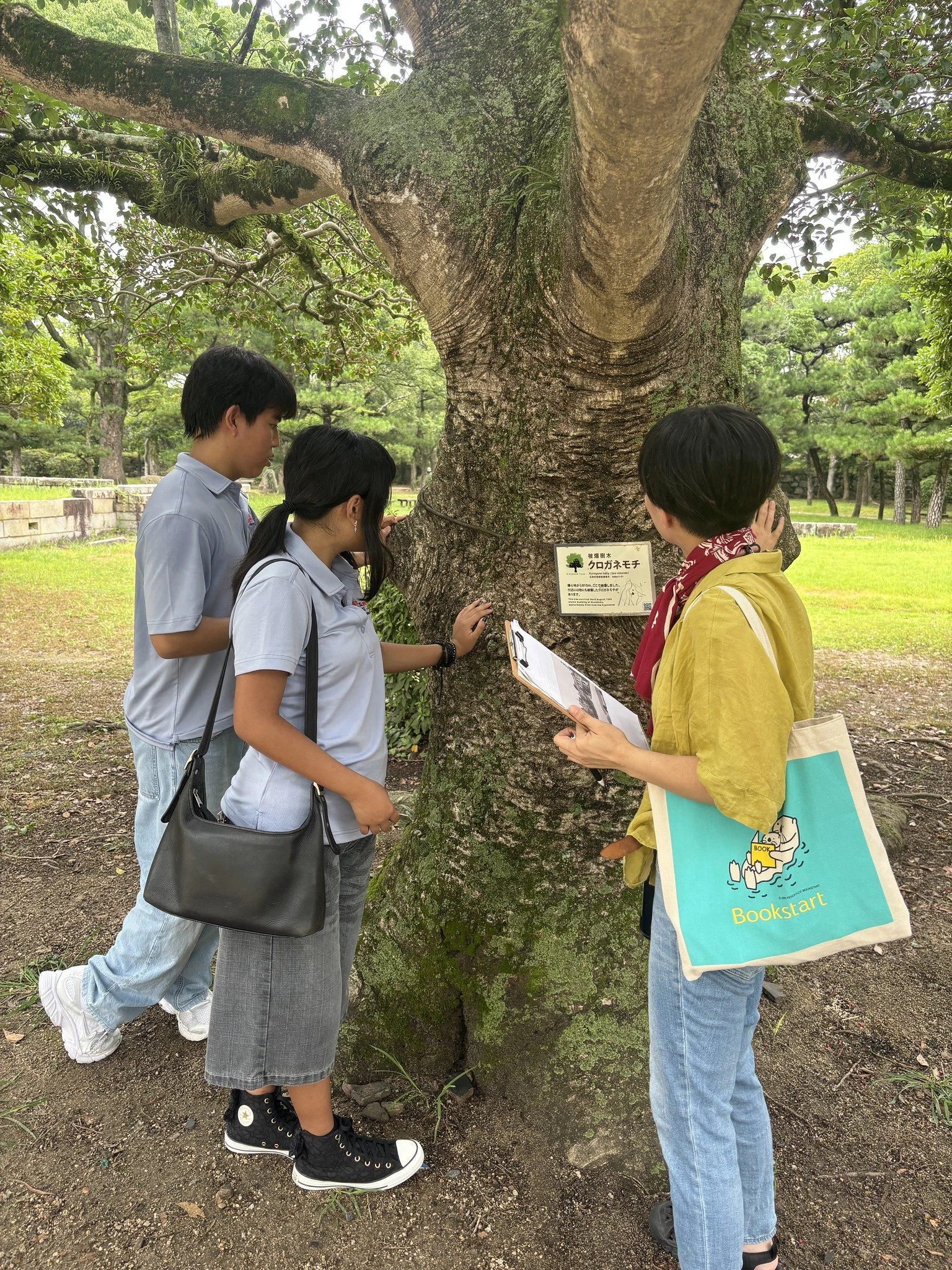
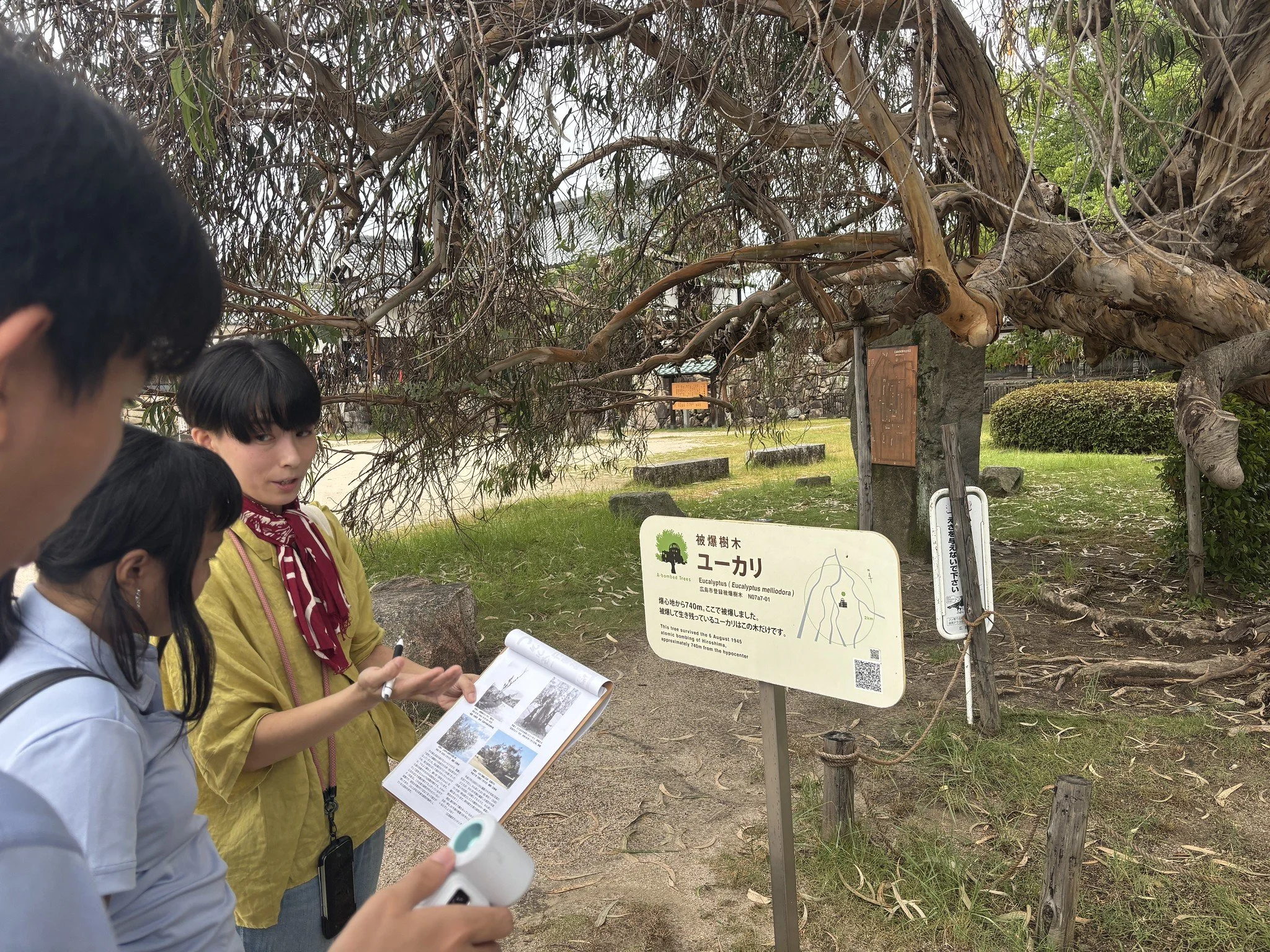
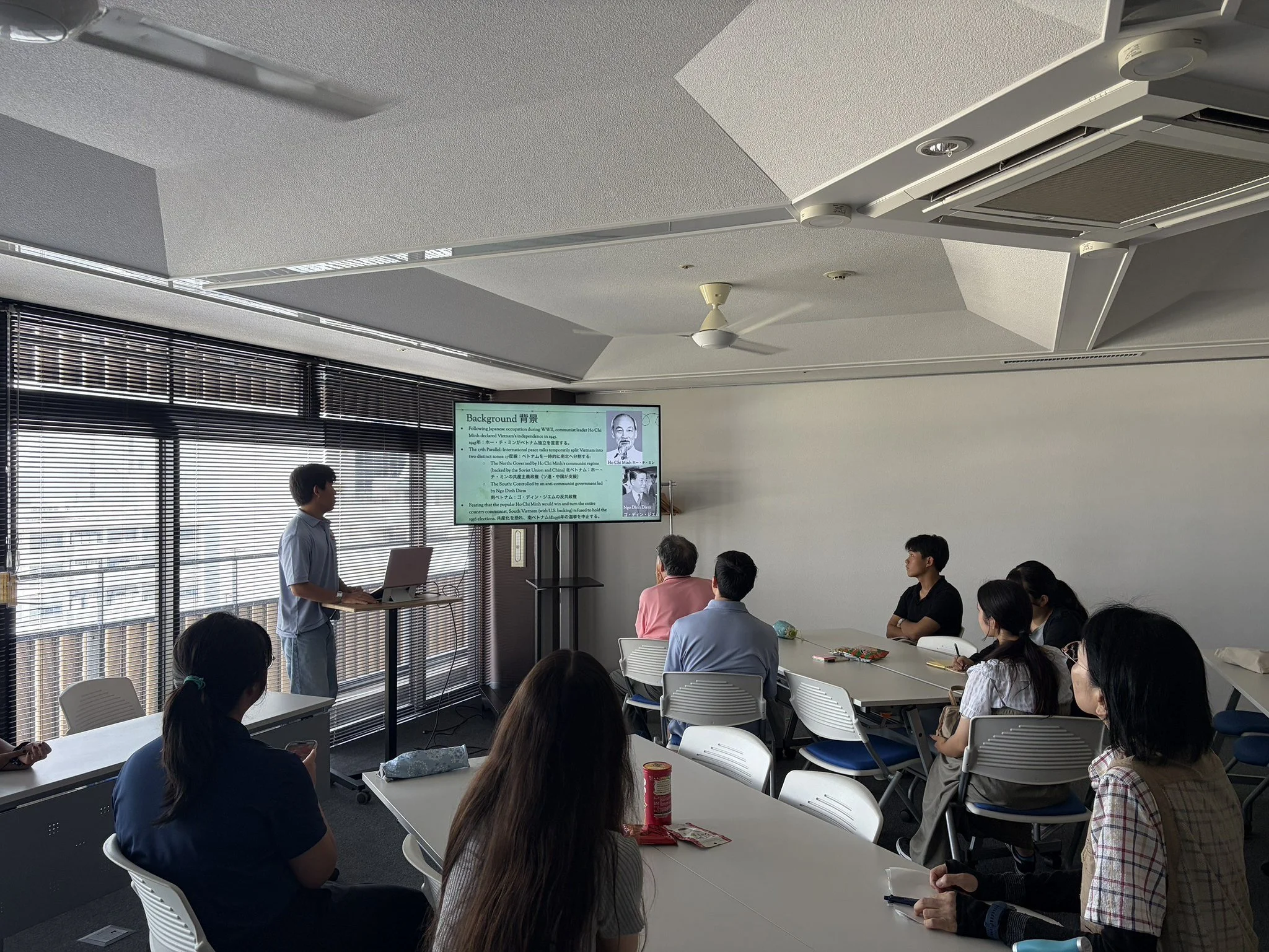
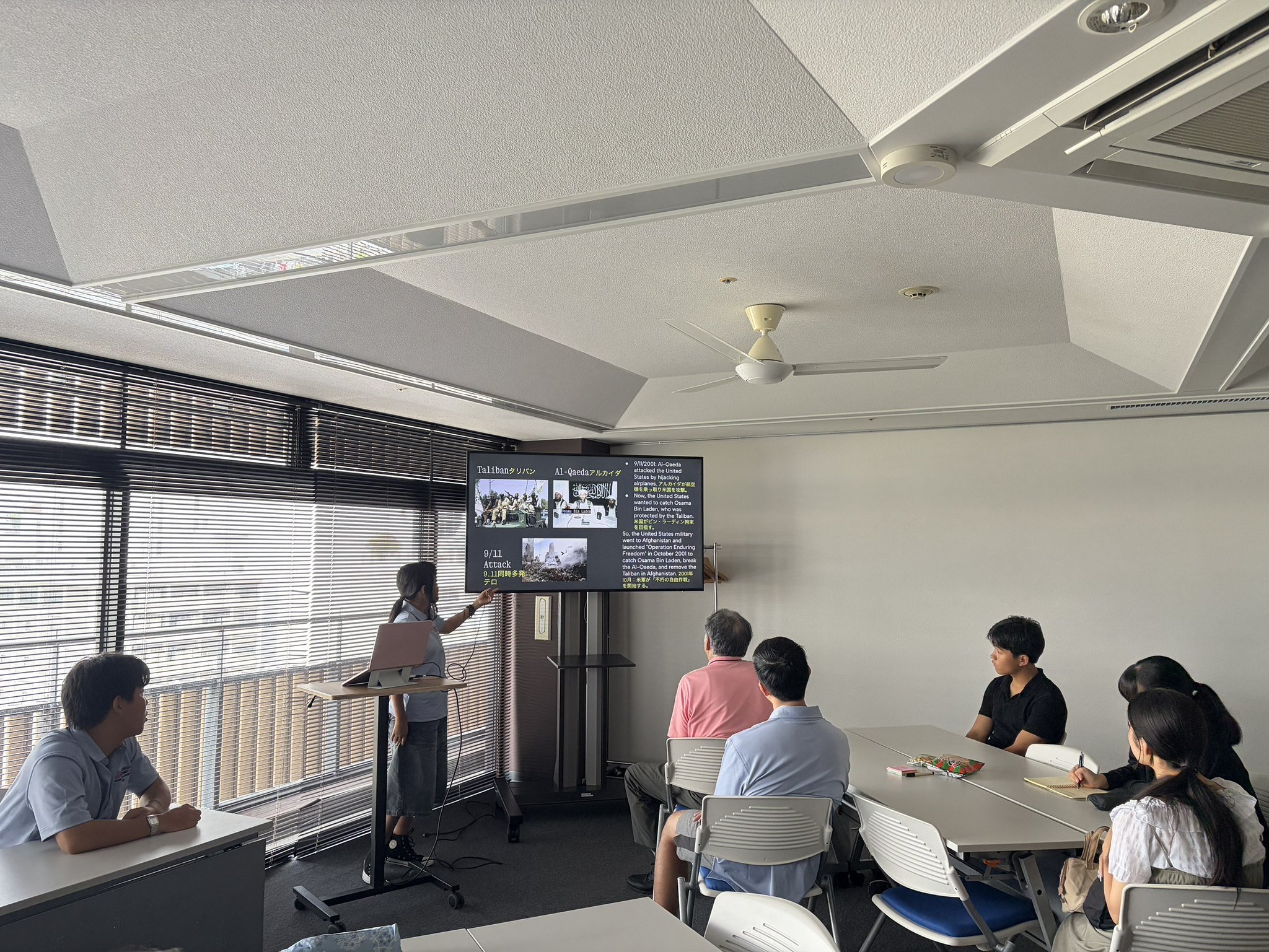
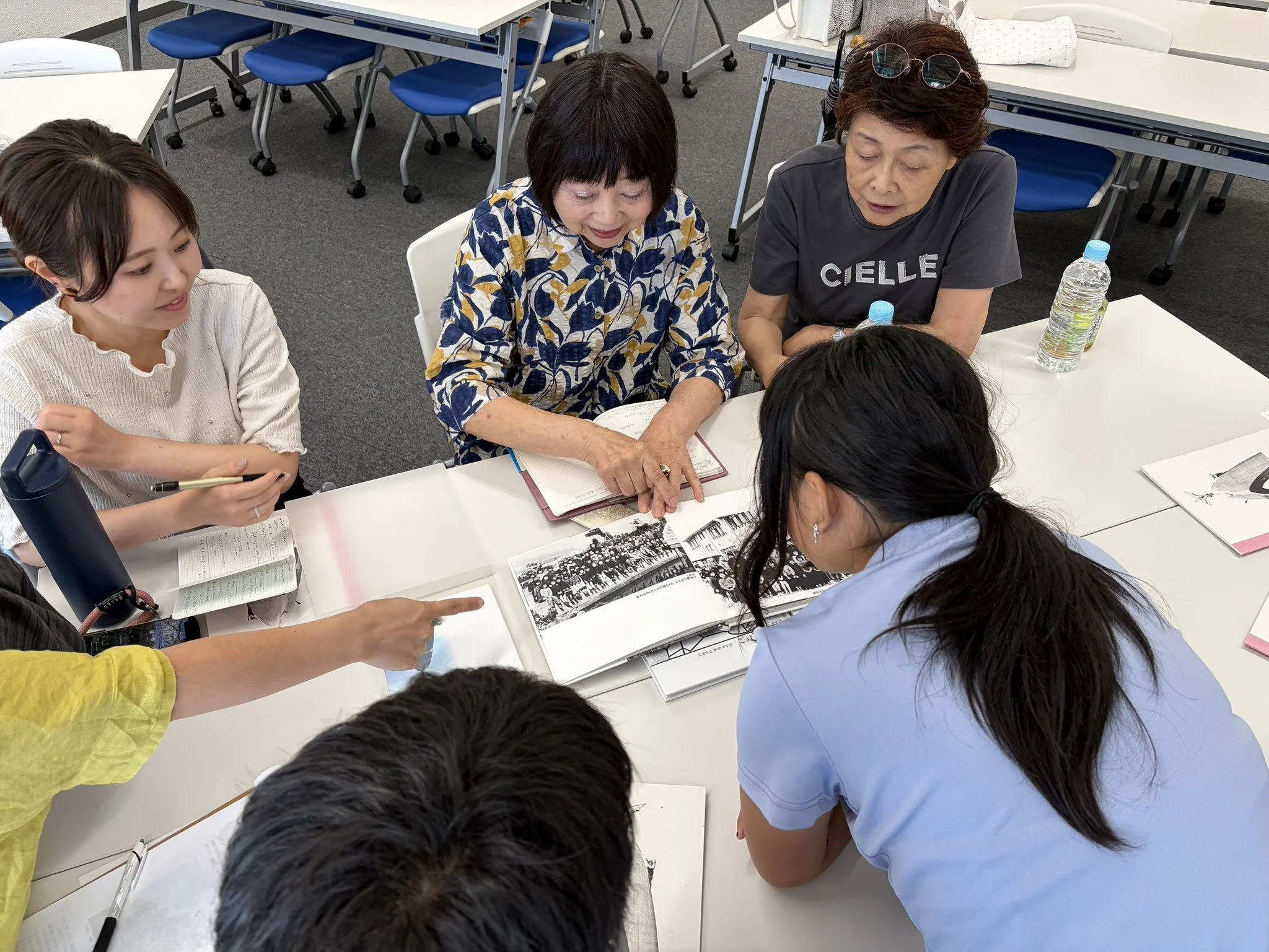
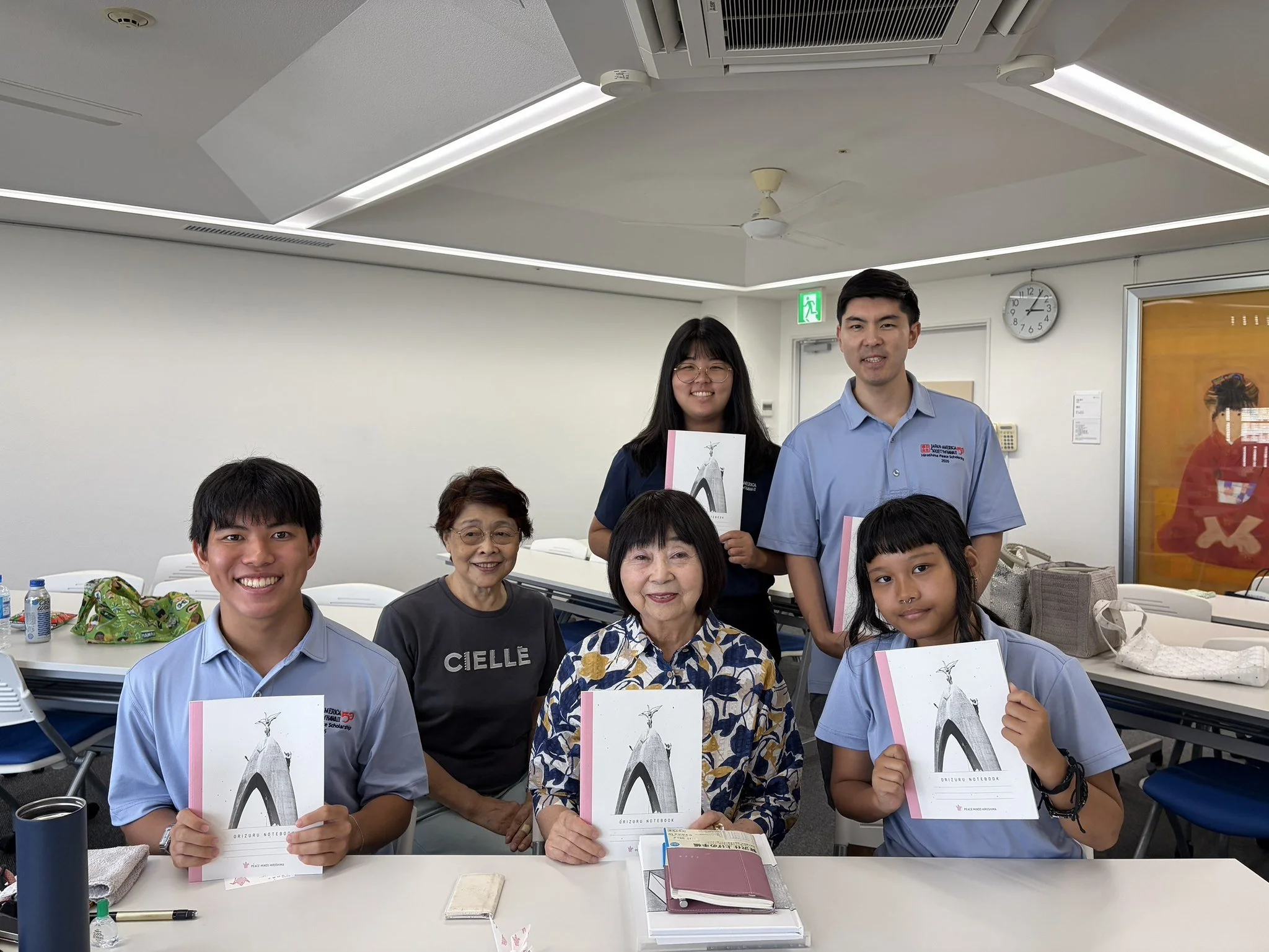
On August 4, the scholars participated in an A-bomb tree tour on the Hiroshima Castle grounds, guided by Ms. Nao Fukuoka, learning about trees that survived the atomic bombing and continue to stand as living symbols of endurance and peace. They also joined a gathering with local Hiroshima residents and students, where the scholars presented their family war interview projects and shared their personal perspectives on war and peace. The gathering also provided an opportunity for the scholars and local participants to exchange ideas and discuss their thoughts on current events and the importance of peace efforts today. In the afternoon, they met with Ms. Tomiko Kawano, a classmate of Sadako Sasaki, who shared personal memories and reflections that connected the past to present-day peace efforts.
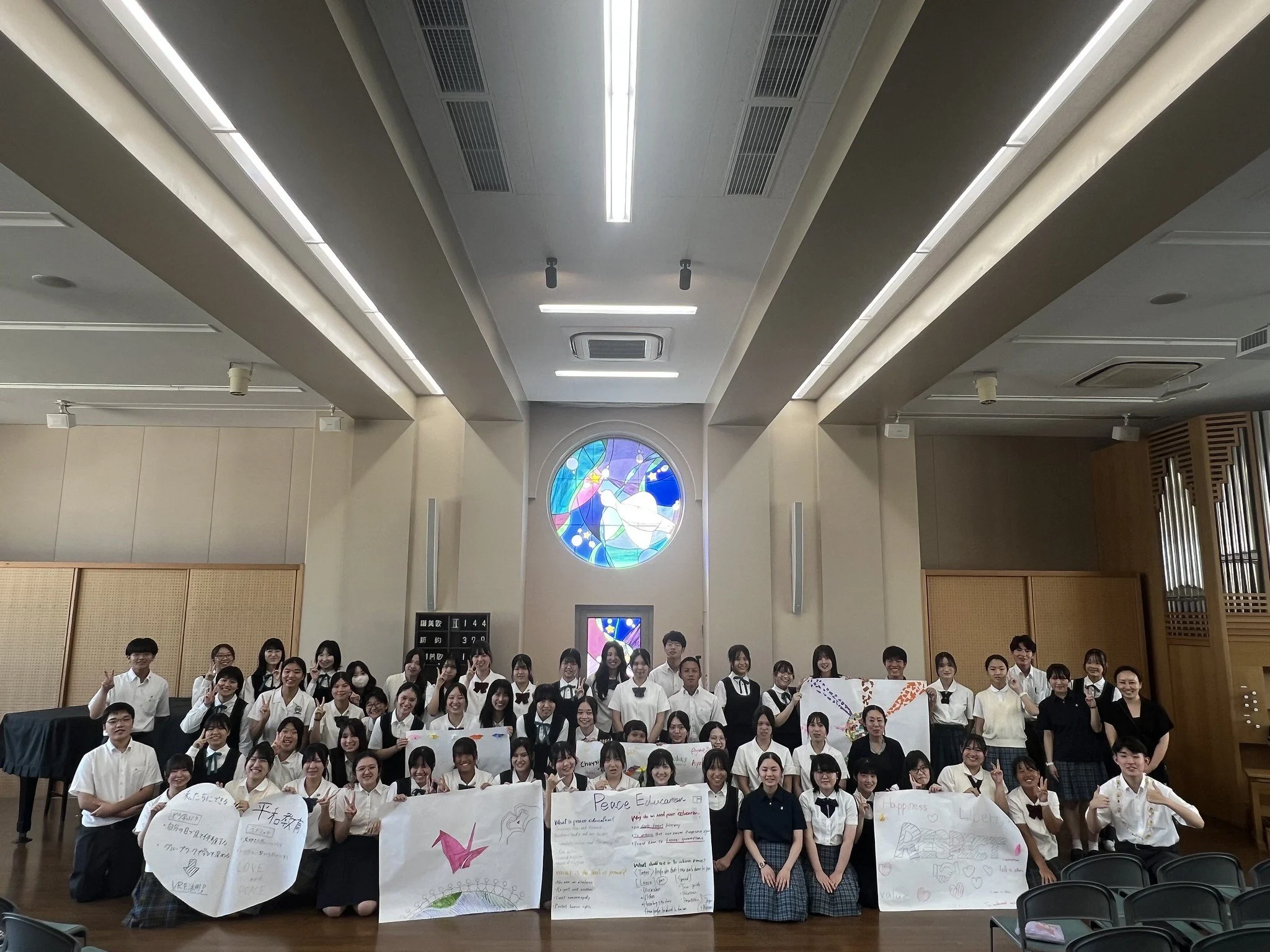
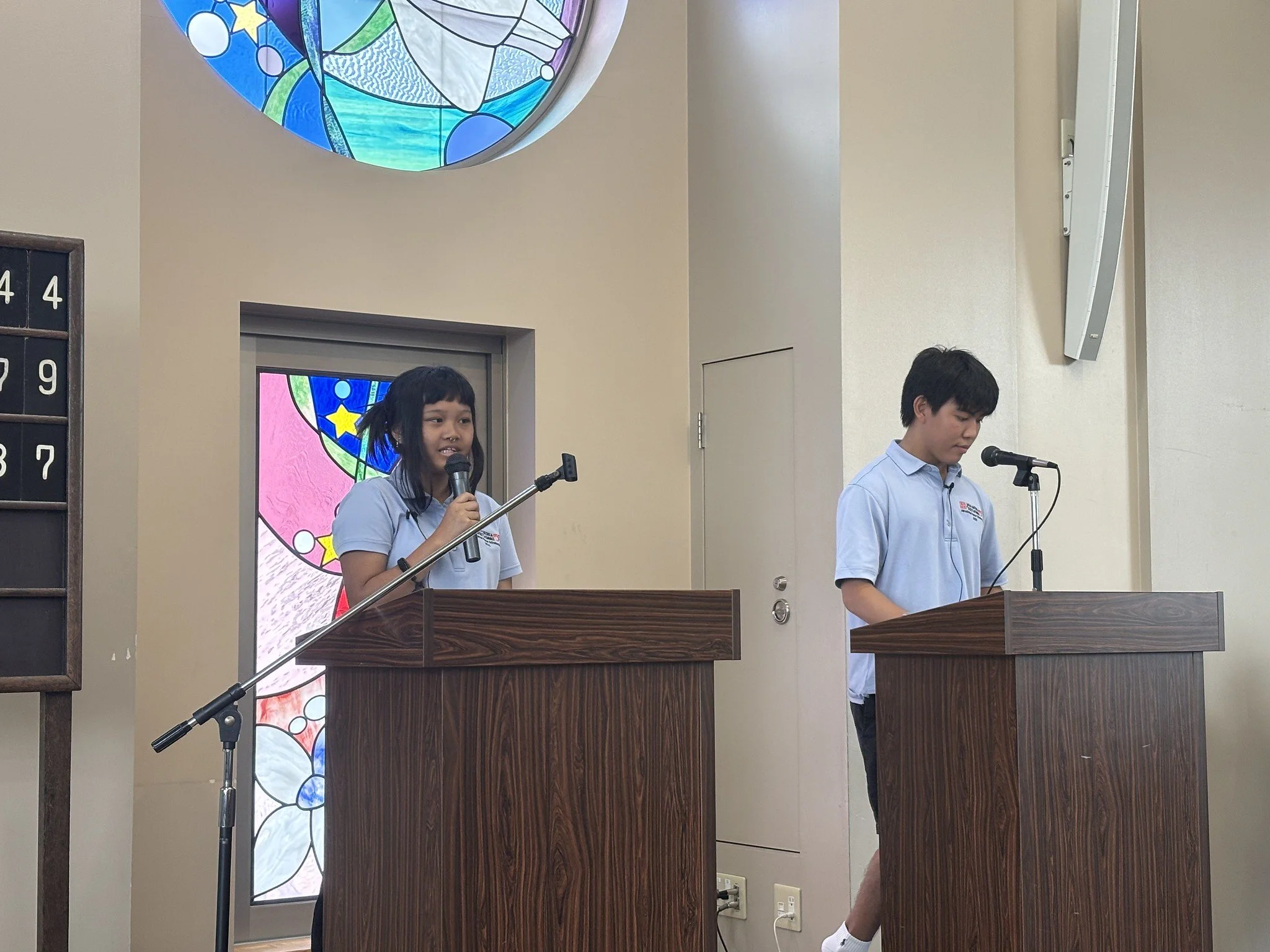
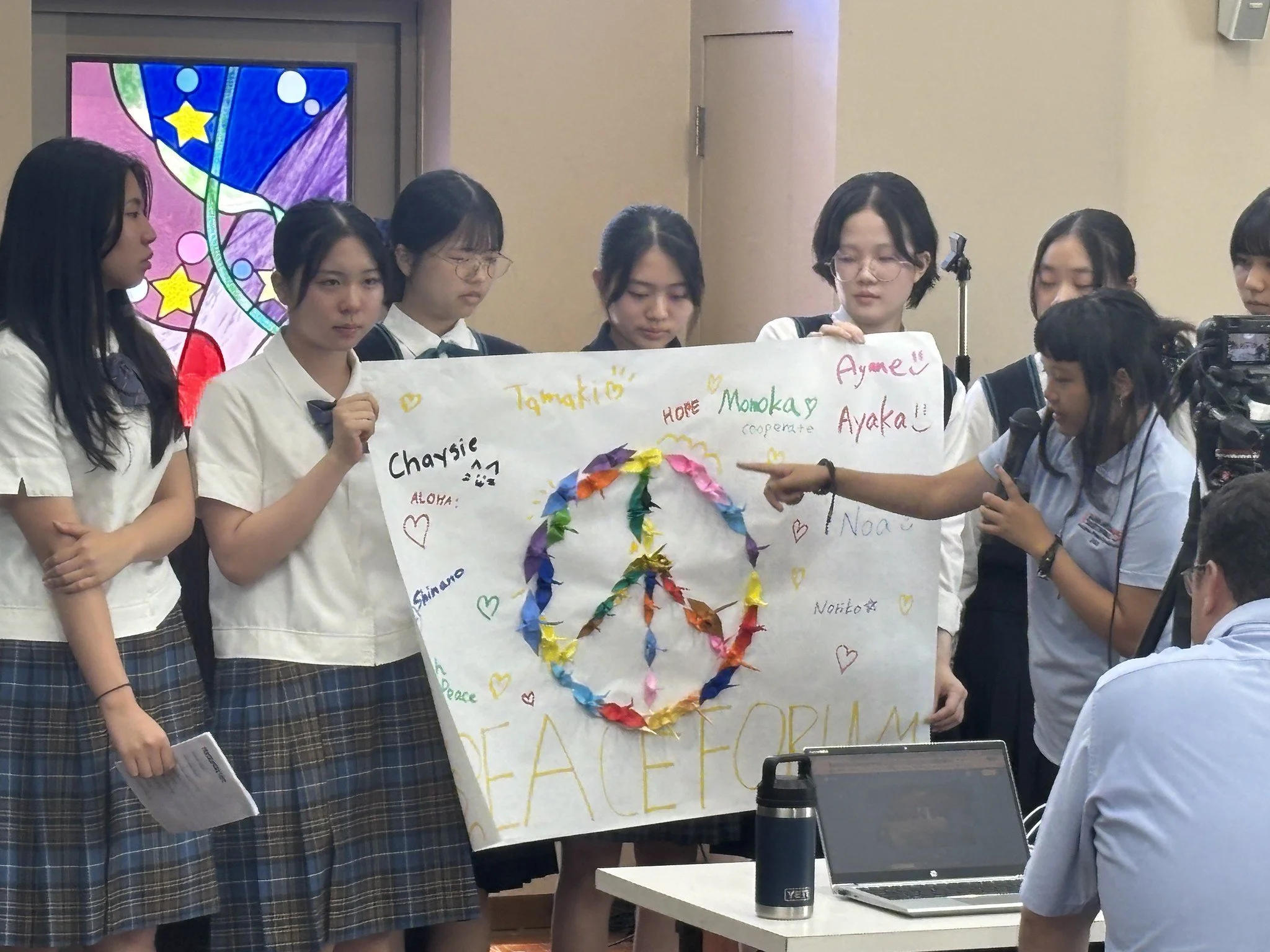
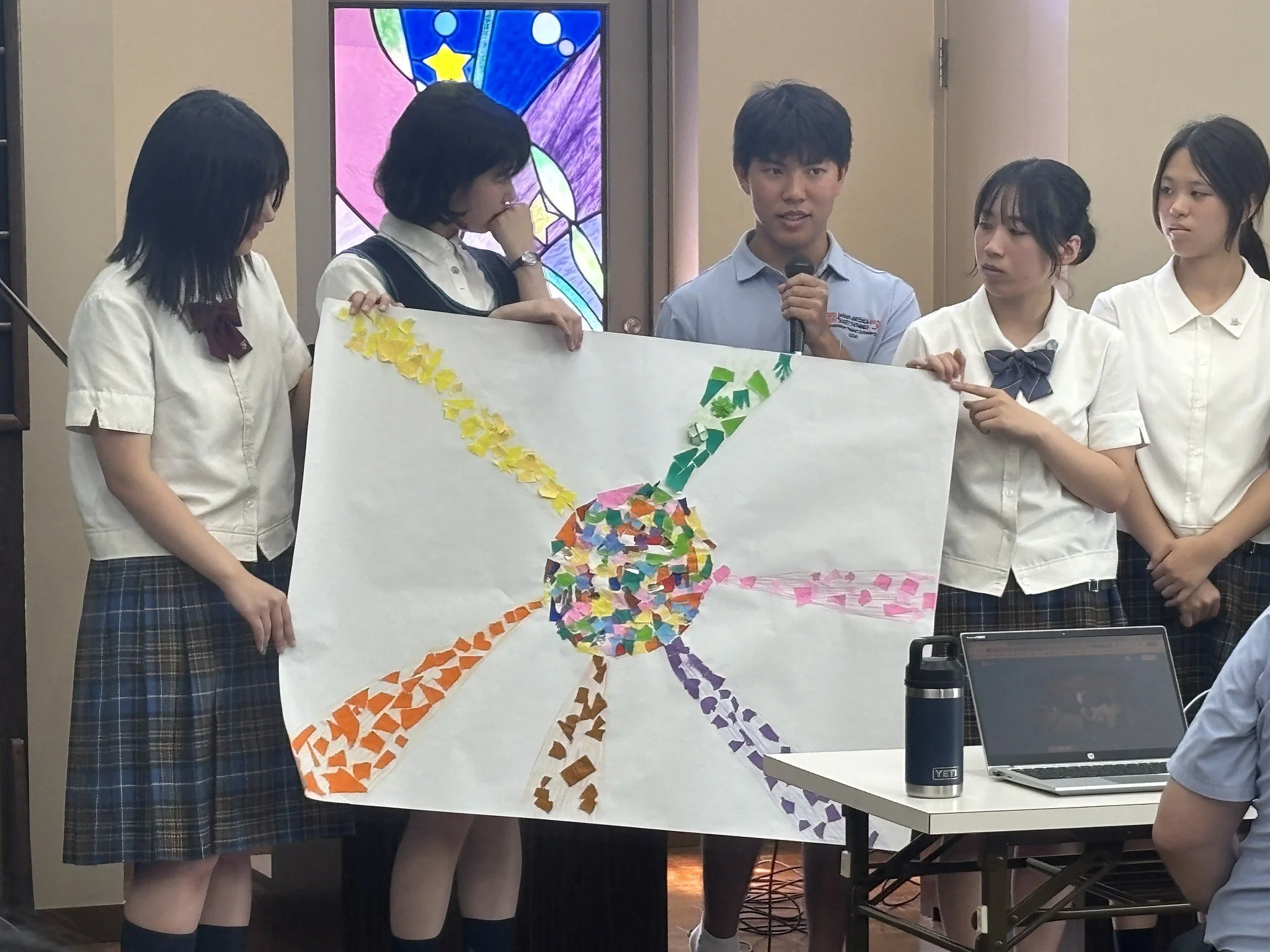
On August 5, the scholars participated in the Peace Forum at Hiroshima Jogakuin Junior & Senior High School. This year’s forum centered on the theme “Peace Education,” bringing together students to explore how peace can be understood, taught, and carried forward by younger generations. The scholars shared their experiences and perspectives from Hawaii, connecting their learning from the program with discussions about war, peace, and the role of youth in promoting peace. In the afternoon breakout sessions, the students collaborated with one another to create their own peace flags, expressing their ideas and hopes for a more peaceful future through art and teamwork.
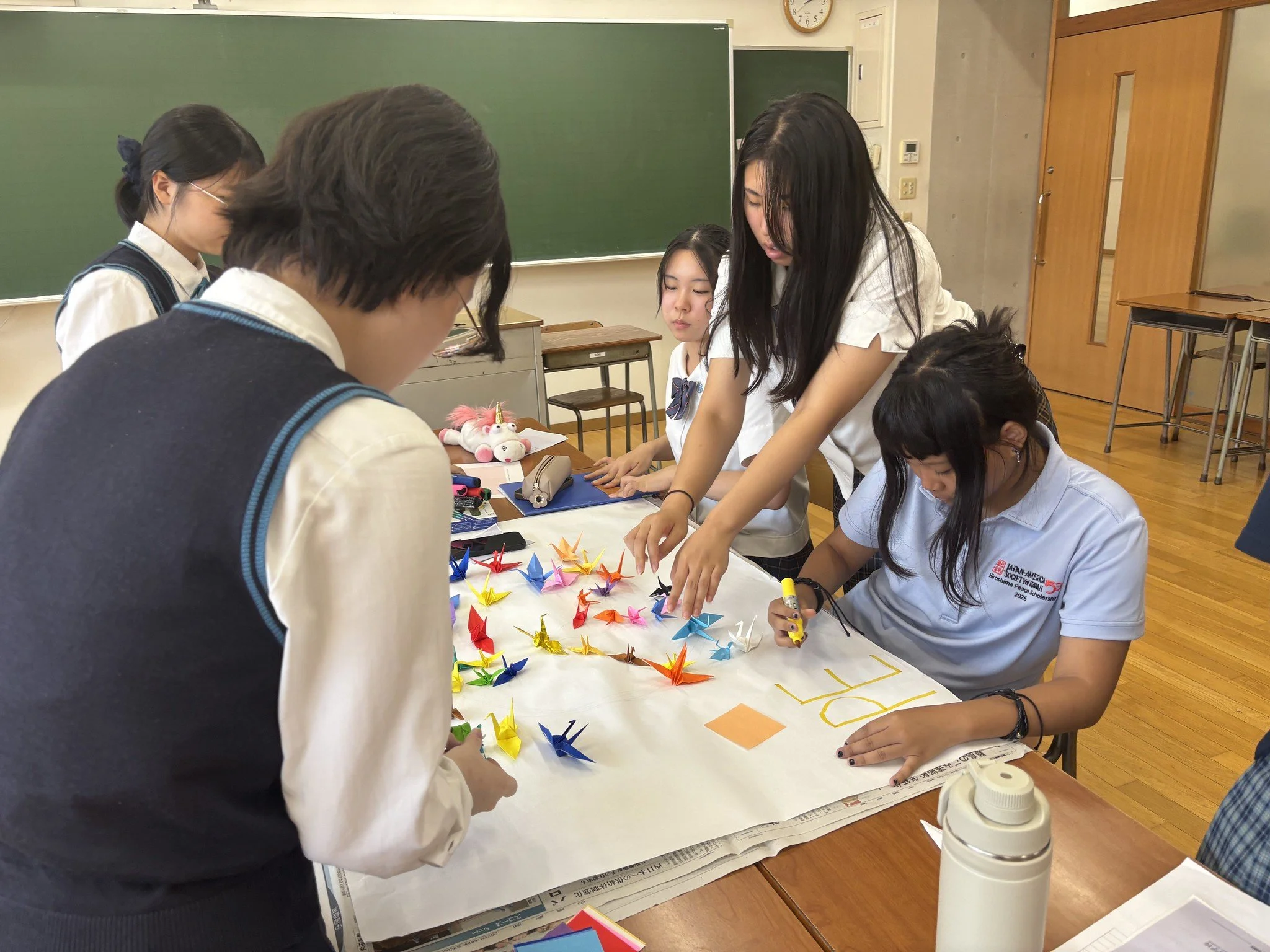
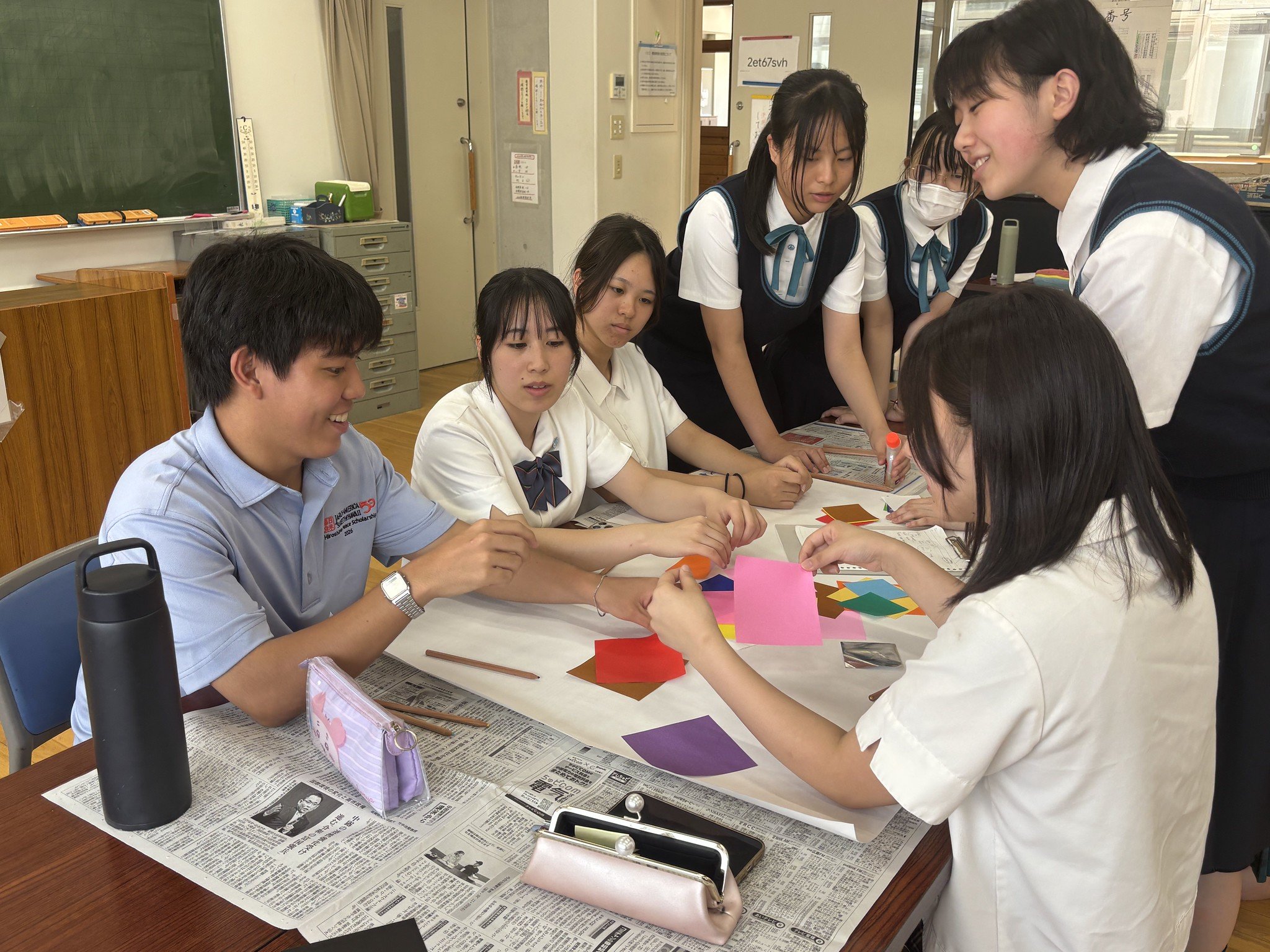
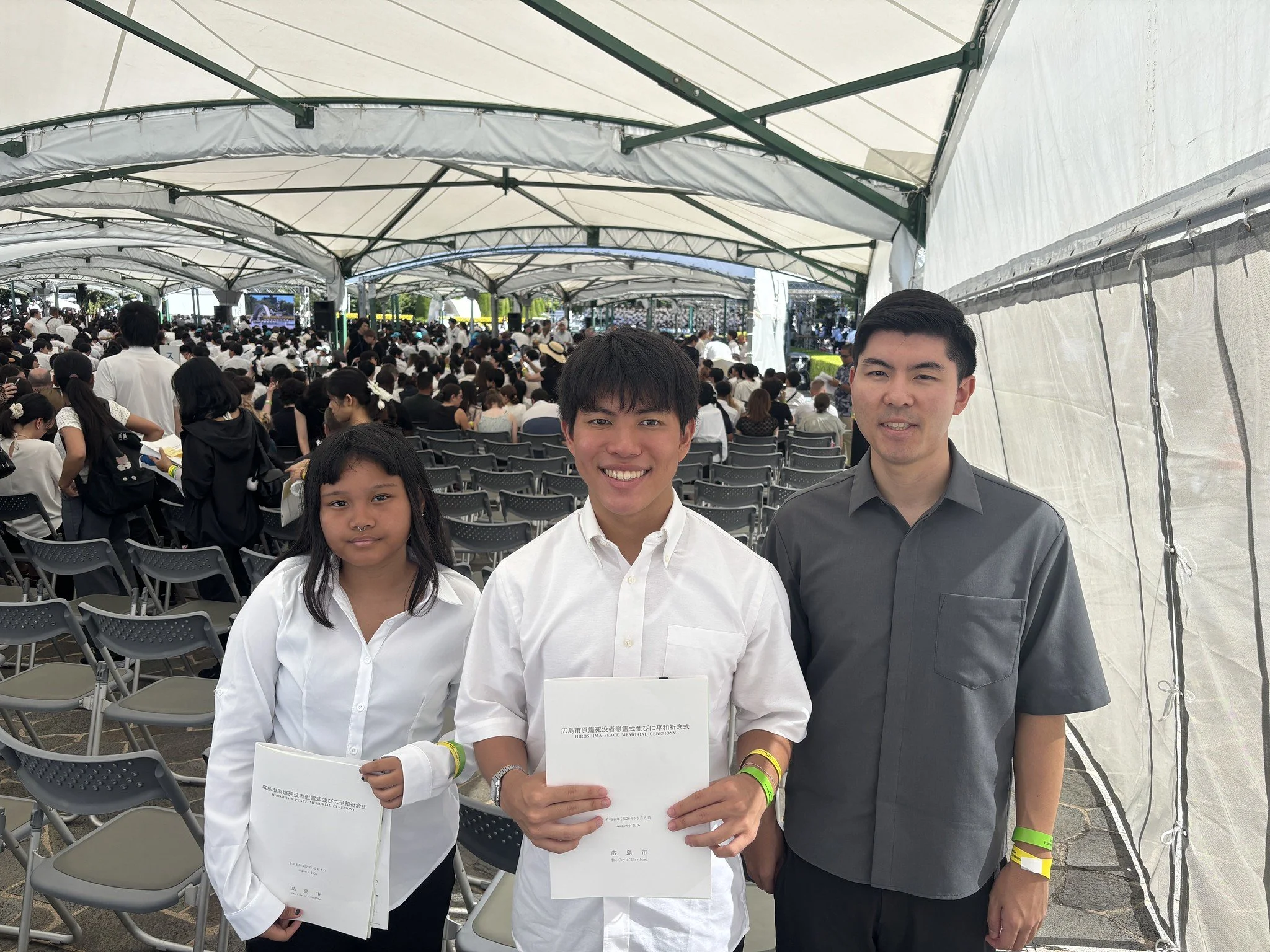
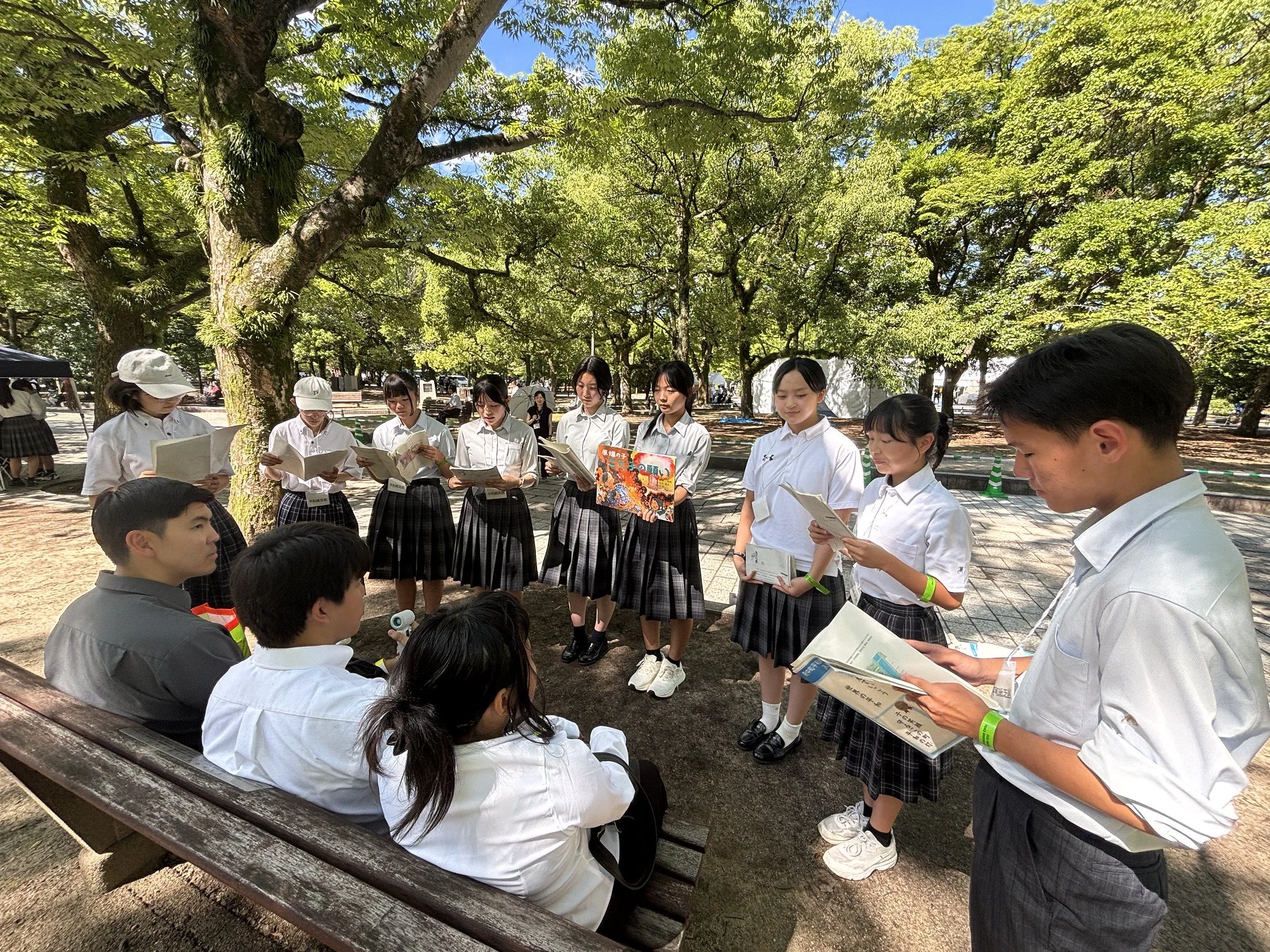
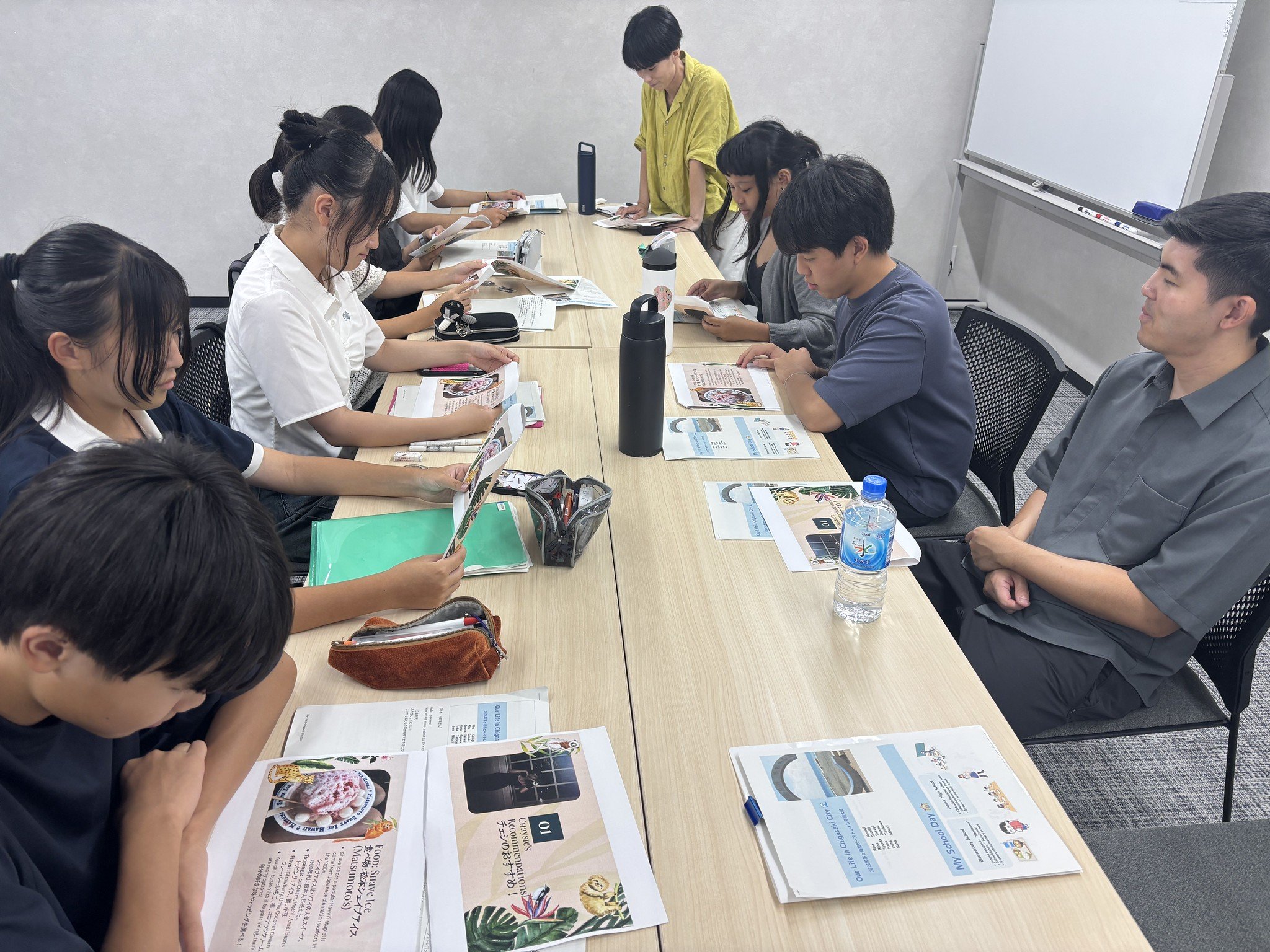
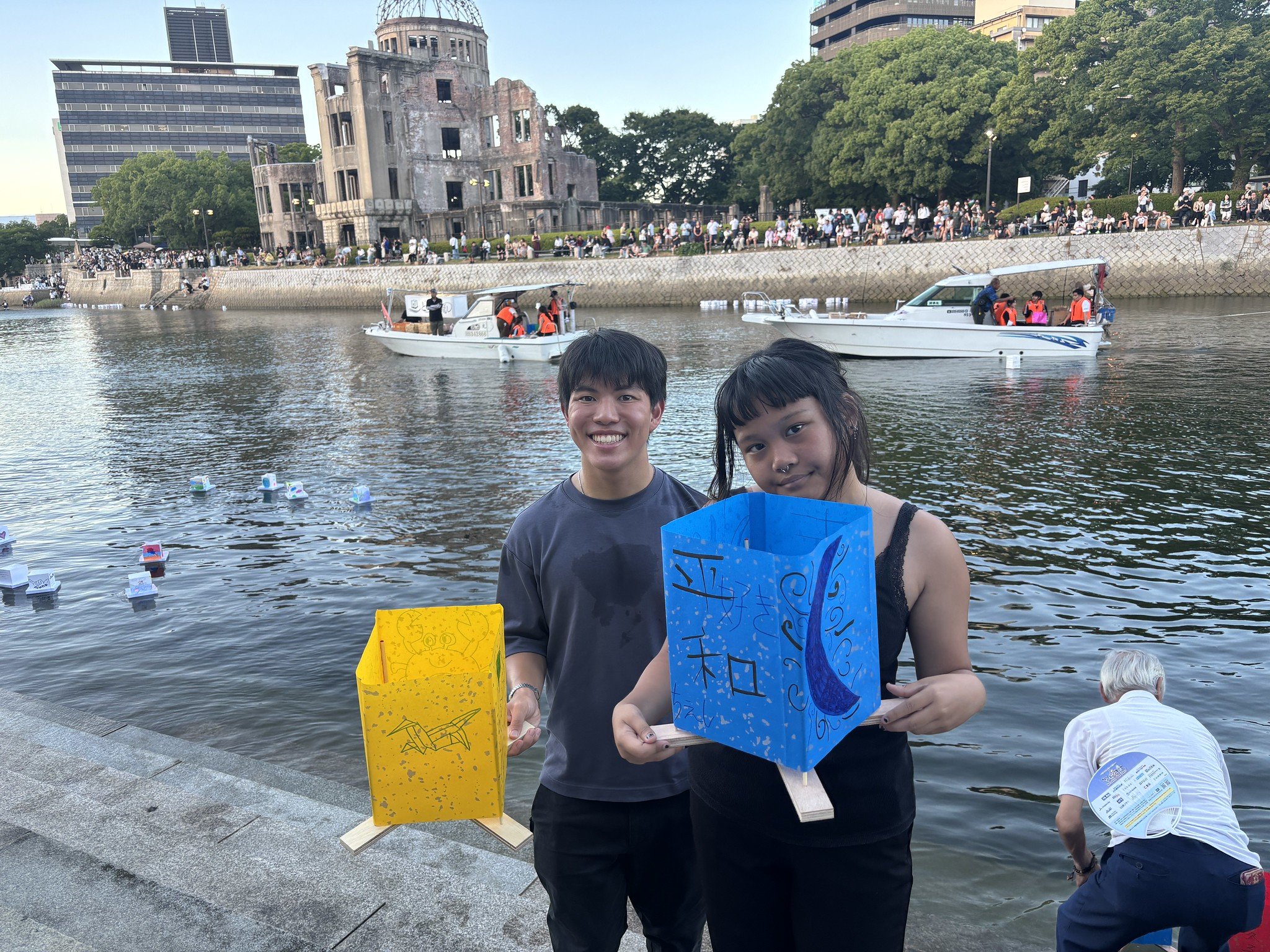
On August 6, the delegation attended the Hiroshima Peace Memorial Ceremony at Peace Memorial Park, joining thousands of participants from around the world in commemorating the anniversary of the atomic bombing. After the ceremony, the scholars met with students from Akifuchu High School at the Children’s Peace Monument. Together, they participated in the students’ Miwazuru Project, which uses recycled nail polish to write wishes and messages on paper cranes as a way to promote peace and reduce waste. The scholars also watched the Akifuchu students’ English kamishibai (paper theater) performance telling the story of Sadako Sasaki. In the afternoon, the delegation met with students from Chigasaki City, a sister city of Honolulu, continuing youth-to-youth exchange through interactive activities and discussions on peace. Together, the students wrote messages of peace and remembrance on lanterns, which they later floated on the Motoyasu River during the Lantern Floating Ceremony that evening.
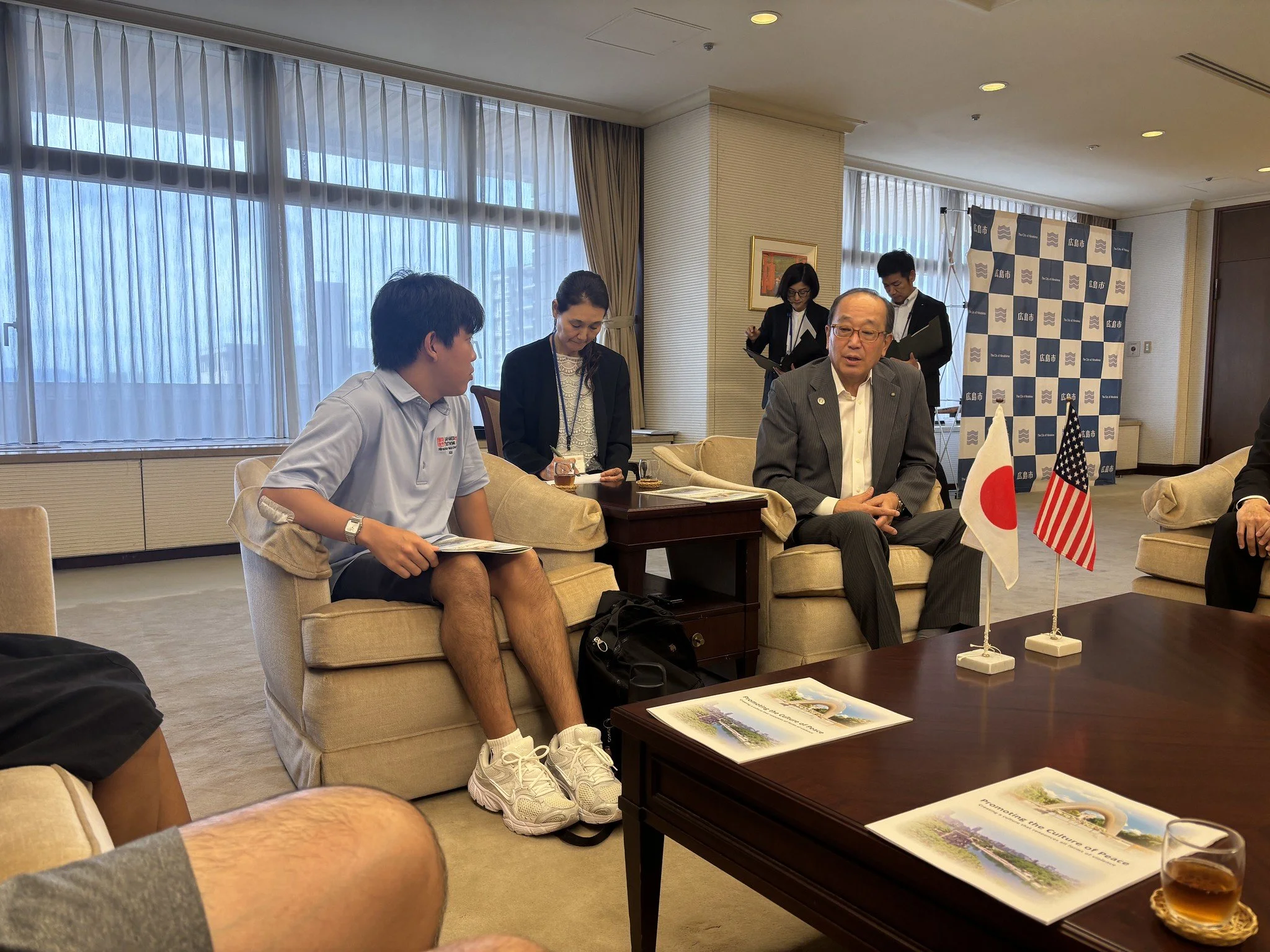
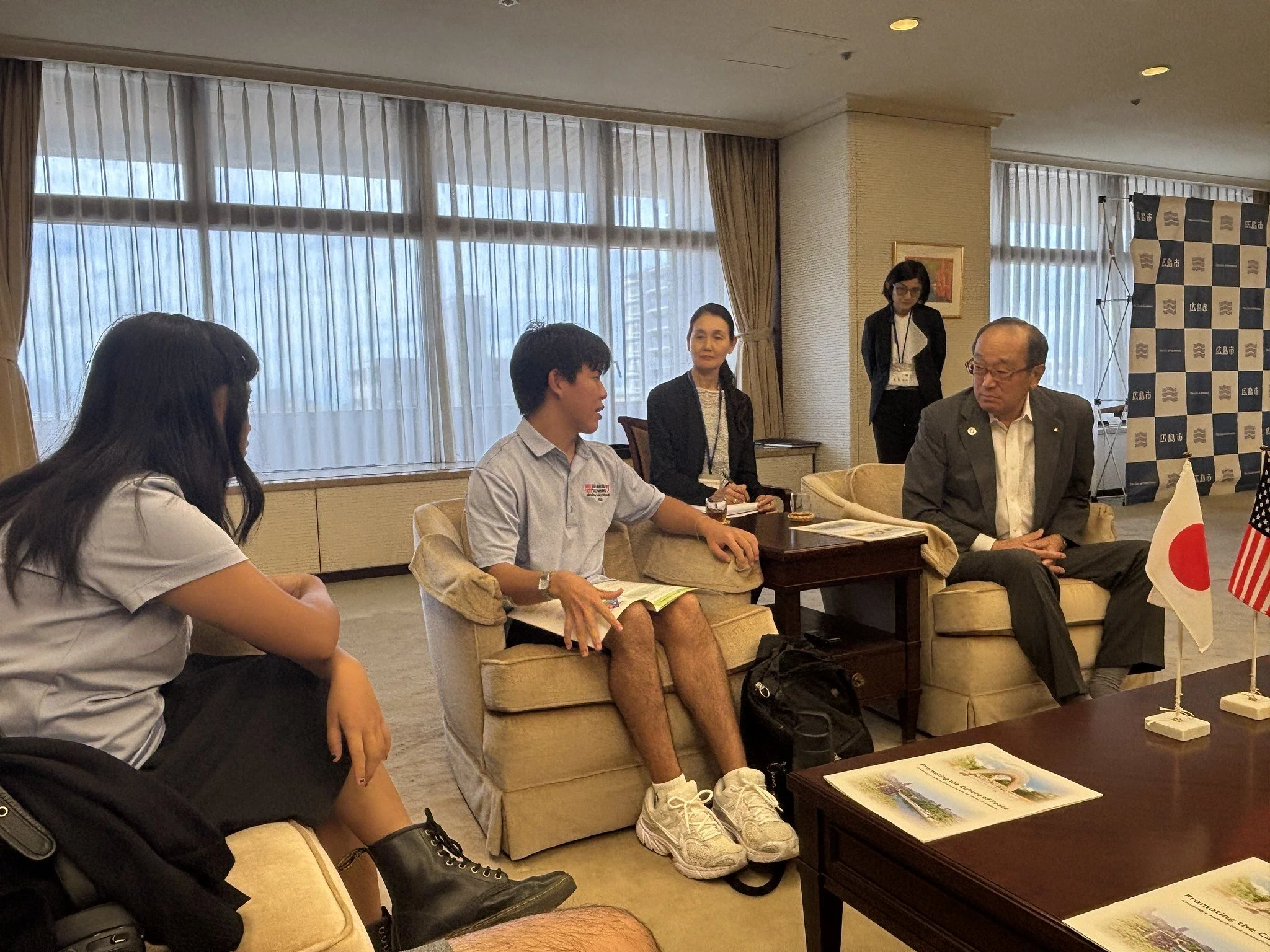
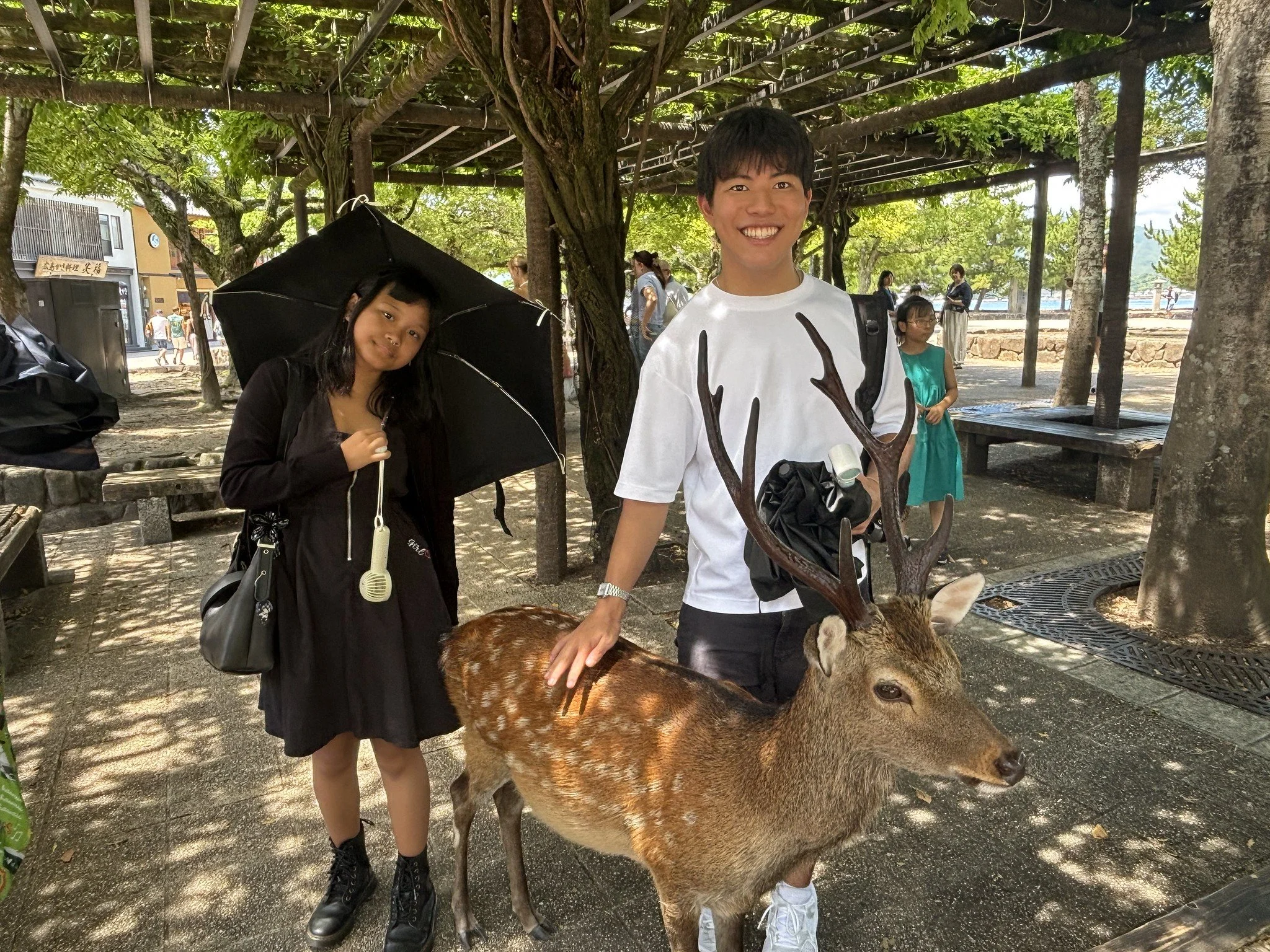
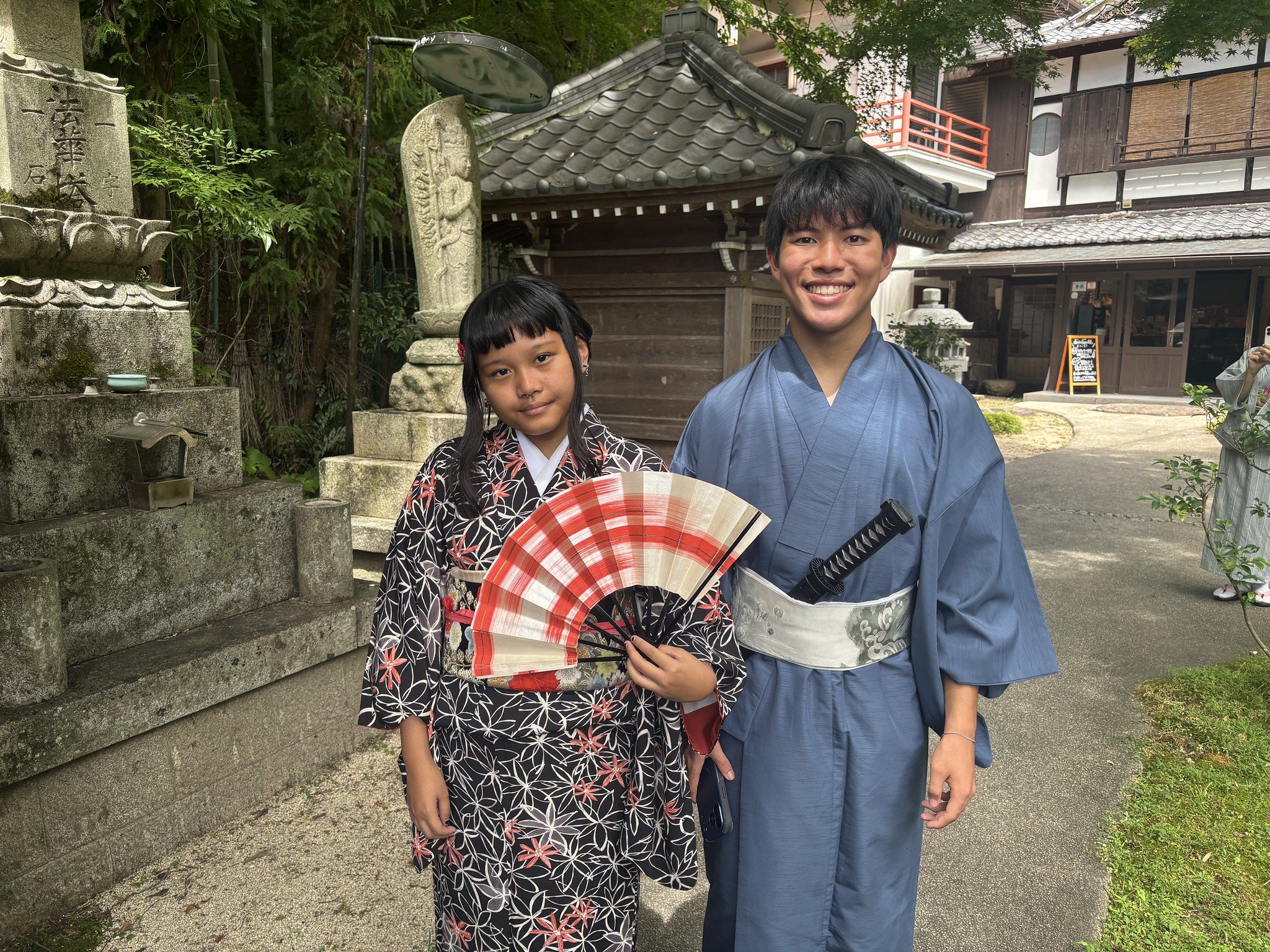
On August 7, the delegation met with the Mayor of Hiroshima for a brief courtesy visit. The Mayor shared his thoughts on the experiences and lessons of war and emphasized the importance of continuing to share messages of peace with future generations. Following the meeting, the group traveled to Miyajima, where they visited Itsukushima Shrine, and enjoyed a day of cultural experiences, including a traditional tea ceremony, kimono, and omamori making experience.
Throughout the program, the scholars strengthened friendships with host families, students, and community members, while reflecting on how shared stories and lived experiences contribute to peace education and mutual understanding.
The 2026 Hiroshima Peace Scholars reflected on their experiences in Hiroshima and the many moments that shaped their understanding of peace, history, and cross-cultural connection. From listening to hibakusha testimonies and walking through Peace Memorial Park to engaging with Japanese students and host families, the scholars shared how these encounters deepened their perspectives and strengthened their commitment to peacebuilding.
Ken Asakura: “Participating in the program meant having an opportunity to share my opinions, experiences, and ideas to an audience that I would have never had the chance to interact with in a lifetime. It was also a great learning experience as even though we gave many presentations we also heard a lot of presentations as well which helped expand my perspectives and knowledge.”
Chaysie Condaya: “From HPS, I learned how to be peace-conscious and how to educate my community. You don't learn only from reading/knowing history; you learn way more by interacting with other perspectives. Everyone has a little bias. But once you understand others and get past that subconscious bias, you feel closer to peace yourself.”
JASH extends a sincere mahalo to Hiroshima Jogakuin Junior & Senior High School, the City of Hiroshima, and host families for their generous support in welcoming and hosting the 2026 delegation and coordinating meaningful program activities. Special thanks are also extended to Ms. Nao Fukuoka of 8th River Hiroshima for her invaluable assistance in arranging speaker engagements and key connections that enhanced the scholars’ experience. Their partnership helped make this year’s program both meaningful and impactful.
The Hiroshima Peace Scholarship program continues to offer students a powerful opportunity to engage directly with history, listen to survivor voices, and participate in meaningful cultural exchange. The 2026 delegation returned home carrying with them a deeper understanding of peace, responsibility, and connection across cultures.
The Hiroshima Peace Scholarship (est. 2009) was founded by Hiromi Peterson and Naomi Hirano-Omizo, retired Japanese language teachers of Punahou School, to encourage young peacebuilders and strengthen relationships between Hawaii and Hiroshima. The program is supported by the proceeds from their textbook series, Adventures in Japanese. JASH began managing HPS in 2021. To learn more about the Hiroshima Peace Scholarship, visit jashawaii.org/education/hps.